
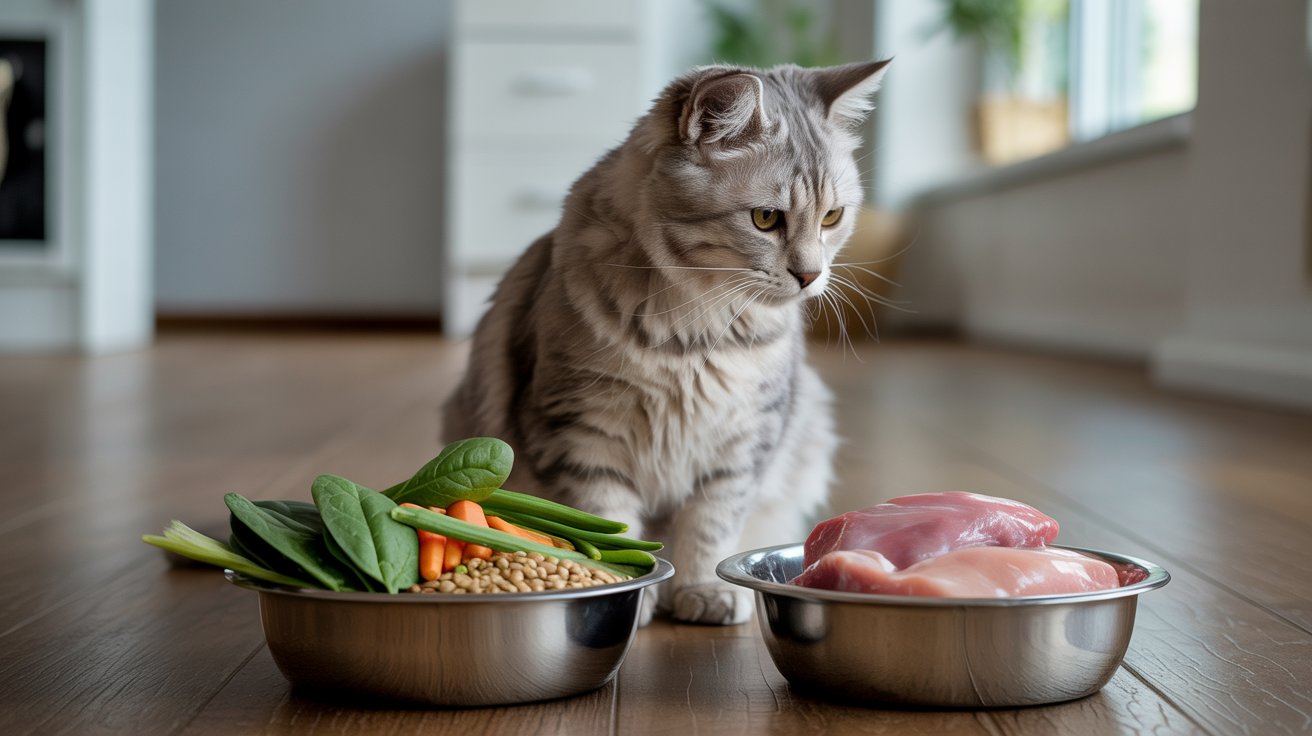
By Saloni Nagar, Medically Reviewed by Dr. Jimisha Shah, B.V.Sc & A.H., PGDAW
Introduction – The Collision of Ethics and Evolution
For many pet parents in the United States, Canada, and the UK, the decision to move toward a plant-based lifestyle is a deeply personal choice rooted in a desire for a more compassionate world.
We live in an era where we are more mindful than ever of the environmental impact of the meat industry and the welfare of all living beings. It is only natural that we would want to extend these values to our feline companions, ensuring their lives reflect the same ethics we hold.
According to Statista (2024), the global vegan pet food market is hitting record highs. This growth is largely due to the ethical choices of pet owners like us, despite veterinarians still recommending that cats need meat.
However, when it comes to the domestic cat, this ethical aspiration often meets a biological reality that has been in the making for millions of years.
While even our dogs have the evolutionary flexibility to thrive as omnivores, cats are what many researchers call biological specialists.
To understand why the question “Is a plant-based diet safe for cats?” is so complex, we first have to acknowledge that cats are not simply “small dogs” or “humans in fur coats.” Their physiology is uniquely adapted to a carnivorous diet, a trait that has persisted since their ancestors inhabited the deserts of the Near East. This deep-rooted dietary history has shaped their internal systems in fundamental ways.
In this article, we will explore the concept of “biological non-negotiables.” These are the specific nutrients and metabolic processes that a cat’s body cannot compromise on.
For a pet parent, providing a balanced cat diet means more than just meeting a daily calorie count; it means fulfilling a very specific chemical blueprint that sustains their life.
If you feed your cat a plant-based diet or just want to learn more about what indoor cats need to eat, it’s important to understand why they depend on meat. This knowledge helps you care for them responsibly and with empathy.
Our goal is to act as a steady, research-oriented guide, looking at the consensus from leading institutions like the Cornell University College of Veterinary Medicine and the AVMA.
We will examine why certain symptoms can occur when a cat’s evolutionary needs aren’t met, helping you navigate the delicate balance between your personal ethics and your cat’s physical requirements.
This isn’t about shaming the choices we make out of love, but about empowering you with the educational tools to monitor your cat’s health with clarity and a calm, observant eye.
Why Diet Balance Matters for Indoor Cats
When we bring a cat into our homes, we essentially become the architects of their entire biological existence. Unlike their wild counterparts, who can sometimes self-correct nutritional gaps by hunting diverse prey, an indoor cat is entirely dependent on what we place in their bowl.
This makes getting the protein-fat-carb balance for cats right a critical factor in their long-term vitality and comfort. Because indoor cats often lead more sedentary lives, they typically have a much smaller margin for nutritional error. This means every gram of food must be high-quality and biologically accessible to prevent the slow, quiet onset of metabolic stress.
Why do cats need meat in their diet?
The fundamental reason cats require meat is that they are obligate carnivores.
According to the Cornell University College of Veterinary Medicine (2023), this indicates that cats meet their nutritional needs exclusively through the consumption of animal tissue. Evolution has adapted the cat’s body to be an efficient processor of protein.
Animal tissues contain a specific suite of amino acids, fatty acids, and vitamins such as Taurine, Arachidonic acid, and pre-formed Vitamin A that are either absent in plants or present in forms that a cat’s body cannot utilize.
For the domestic cat, meat is not just a preference; it is the delivery system for the essential building blocks of their life.
Why are cats obligate carnivores?
To understand feline dietary requirements, we have to look at the “tools” missing from a cat’s metabolic toolbox. For instance, most omnivores have a high activity of an enzyme called hepatic glucokinase, which allows the liver to process large amounts of glucose from carbohydrates.
According to VCA Animal Hospitals (2024), Cats have very low activity of this enzyme and cannot convert beta-carotene from plants into active Vitamin A (retinol). They must ingest Vitamin A that has already been converted by another animal. This enzymatic limitation means their bodies are physically incapable of turning “plant fuel” into the specific nutrients they need to survive and thrive.
The table below breaks down how cats use each major nutrient and why plant-based sources often fall short for their unique biology.
🧠 Feline Macronutrient Metabolism Map
| Nutrient | Feline Biological Role |
|---|---|
| Protein | – Primary energy source via gluconeogenesis – Cats require constant amino acid intake – No metabolic buffer like humans |
| Fat | – Supports energy, skin health, and nutrient absorption – Supplies arachidonic acid, only from animal fat – Regulates satiety and coat |
| Carbohydrates | – Non-essential in feline diets – Poorly digested due to low amylase – Excess can cause GI or urinary issues |
| Enzymatic Limitations | – Low hepatic glucokinase: can’t process starch well – Lacks delta-6-desaturase: can’t convert plant oils – Limited plant detox ability |
📥 Prefer a visual version?
Click here to download the infographic — a simple, vet-reviewed breakdown of how cats process protein, fat, and carbs differently than humans.
Can cats survive on a plant-based diet?
The distinction between “survival” and “optimal health” is where much of the confusion lies. While a cat may technically survive on a plant-based diet for a period, their metabolism is in a state of constant, protein-driven gluconeogenesis. This means their liver enzymes are permanently “switched on” to break down protein into glucose for energy, regardless of whether they have eaten.
If the diet does not provide enough animal protein, the cat’s body does not slow down this process. Instead, it begins to harvest protein from its own muscles and organs. This constant metabolic drain makes the long-term sustainability of a plant-only diet a subject of significant veterinary concern.
Is vegetarian cat food safe for indoor cats?
When evaluating if vegetarian cat food is safe for indoor cats, one must consider the quality of the protein. Plant-based proteins are often less “bioavailable” to cats, meaning their short digestive tracts cannot break them down as efficiently as animal tissues.
For an indoor cat, this can lead to a state where they are “full” but still nutritionally deprived. Precise nutrition is required to ensure that the indoor cat nutrition needs are met without overloading their system with unnecessary fillers and starches that their bodies were never designed to manage.
Energy Loss, Weakness, and Behavior Changes After a Food Switch
One of the most immediate ways a cat communicates that their food might not be meeting their needs is through their daily energy and physical stamina.
It is often a subtle shift—perhaps they aren’t waiting for you at the door as usual, or they seem to tire more quickly during a favorite game. When a cat’s primary fuel source is altered, we often see their “battery” begin to drain in ways that are easily missed if we aren’t looking for them.
Monitoring these behavioral shifts is a vital way for pet parents to stay connected to their cat’s internal health.
My cat is lethargic after switching to vegan food?
It is not uncommon for pet parents to report a sense of low energy in cats due to diet shortly after a major food transition. This lethargy is often a sign of an energy shortfall.
Because cats are designed to burn fat and protein with high efficiency, they may struggle to extract the same level of “spark” from a carbohydrate-heavy plant diet. If the body is working harder to convert plant matter into usable fuel, the cat will naturally spend more time resting to conserve whatever resources they have.
Why is my cat weak after eating vegetarian cat food?
In some cases, the weakness is more than just “laziness”; it is a metabolic struggle. Cats have an absolute dependency on an amino acid called Arginine.
According to the MSD Veterinary Manual (2023), Arginine is essential for the urea cycle, which removes ammonia, a toxic waste product of protein metabolism, from the body.
Unlike dogs, cats cannot synthesize arginine. If a meal is deficient in this amino acid, which can happen with an inadequate protein and fat intake from plant sources, ammonia can build up in the blood.
This diet-related weakness in cats can manifest as stumbling, drooling, or a complete lack of physical coordination.
🧬 Arginine: The 24-Hour Detox Gatekeeper
Cats depend on arginine to break down ammonia, a toxic byproduct of protein metabolism. Unlike humans or dogs, cats can’t store arginine — they need it in every meal.
🧠 What Happens Without It:
- Ammonia builds up in the blood within hours
- Causes lethargy, vomiting, and confusion
- In extreme cases, leads to hyperammonemia coma
🧬 Why Cats Are Different:
- No “metabolic buffer” like omnivores
- Can’t slow down protein metabolism
- Need constant dietary arginine to survive
The cat gets exhausted quickly after switching food
If your cat used to chase laser pointers for twenty minutes but now gives up after two, it may indicate a diet-related weakness in cats. This rapid exhaustion is tied to the energy metabolism in cats, which relies on a steady supply of animal-derived fatty acids and proteins to maintain muscle stamina.
Without the correct nutrient density, the cat’s muscles lack the “reserve tank” needed for the explosive bursts of energy that are characteristic of the species.
The cat is acting differently after switching food
Neurological stress is often mistaken for a “calmer personality.” When a cat is not receiving its biological requirements may become withdrawn, irritable, or unusually vocal. This shift in temperament is often the brain’s response to a lack of essential fatty acids and a constant state of internal hunger.
When the nervous system isn’t fueled correctly, the cat’s ability to manage stress and interact with their family can change significantly.
Weight Loss and Muscle Changes Even When Appetite Seems Normal
Perhaps the most distressing symptom for a pet parent is seeing weight loss despite eating.
You may be giving your cat generous portions of vegan kibble, and while they may eat it eagerly, they still seem to be losing weight. This is a hallmark of “malnutrition in the face of plenty.”
My cat is getting skinny even though he eats vegan food
A cat can consume a high volume of calories and still experience weight loss despite eating if those calories aren’t in a form the body can use.
Plant-based proteins lack the specific amino acid profile required for feline tissue maintenance. If the cat cannot find these building blocks in their food, their body enters a “catabolic state,” where it begins to break down its own tissues to stay alive.
This results in a cat that might look “thin” or “fragile,” even if their stomach is full.
Cat muscle loss on a vegan diet?
Veterinarians refer to the loss of muscle mass as sarcopenia. An inadequate protein for cats often causes this in their daily diet.
You might notice the cat’s spine becoming more prominent or their hind legs looking spindly. Because of the unique energy metabolism in cats, they require a high and constant supply of protein just to maintain their existing muscle mass. When that supply is depleted, the body harvests the amino acids it needs from skeletal muscle to protect the heart and brain.
This muscle loss in cats due to diet is a serious sign that the current nutritional plan is not meeting the cat’s core biological needs.
This timeline shows how a cat’s body gradually declines on a plant-based diet, even when appetite seems normal. It breaks down the hidden biological changes, early warning signs, and expert insights that help pet owners recognize the signs of nutrient deficiency before it becomes critical.
🧬 Symptom Timeline: How Muscle Loss Progresses on a Plant-Based Diet
| Timeline | What’s Happening Internally | What You Might Notice | What It Means (Expert View) |
|---|---|---|---|
| Month 1–2 | Inadequate intake of essential amino acids (especially taurine, arginine, methionine). Body starts catabolizing internal protein stores to fuel gluconeogenesis. | Nothing visibly wrong yet. Appetite seems normal. Energy might seem “okay.” | The body is already borrowing protein from muscles to meet baseline metabolic needs — this is the “silent failure” stage. |
| Month 3–4 | Chronic amino acid deficit leads to muscle fiber breakdown (early sarcopenia). Liver stress begins due to ongoing detox strain. | Cat may look slightly thinner around hips, spine, or shoulders. Coat may lose some shine. | These changes are often missed or blamed on aging. In reality, the cat is breaking down tissue to survive nutritionally. |
| Month 5–6 | Muscle wasting accelerates. Fat reserves become secondary energy source. Digestive enzymes and immune function begin to decline. | Clear weight loss. Prominent bones, tired behavior, weaker jumping, slower movement. | By now, the cat’s body has exhausted non-essential tissues. Without correction, internal organ stress may follow. |
Expert Insight:
“By the time cat owners notice weight loss, the nutrient deficit has often been ongoing for weeks or months. Early intervention is key visible signs lag behind metabolic stress.”
— Pet Nutrition Editor, Feline Metabolism Focus
Cat weight loss, even with supplements
While supplements are a vital part of modern pet care, many pet parents report that they cannot always overcome the issue of an amino acid deficiency in cats.
Synthetic nutrients often have different bioavailability than those found naturally in meat. If the diet itself provides an inadequate protein and fat intake, the body may still tap into its own muscle reserves.
The “whole food” matrix of animal tissue provides a synergy of nutrients that is often discussed in feline health literature as being difficult to fully replicate with lab-grown alternatives.
Senior cat losing weight on a vegan diet
Our older cats have even less room for error than younger ones. As a cat ages, their ability to digest protein naturally declines, meaning they actually need higher-quality, more bioavailable protein to maintain their weight.
A senior cat losing weight on a vegan diet is a significant concern because they lack the metabolic “buffer” to withstand a period of nutritional imbalance. Ensuring a balanced cat diet with easily digestible animal proteins is often one of the most important ways we can support our cats through their senior years.
How can a diet imbalance affect a cat’s coat, skin, and grooming habits?
A cat’s coat is often the first place where the internal effects of their diet become visible to the naked eye.
To many of us, a soft, glossy coat is a hallmark of a happy, healthy pet, and seeing that luster fade can be one of the first signs that something in their nutrition needs adjustment.
What many pet parents report is that while a diet change might seem successful for a few weeks, the skin and coat can eventually show subtle signs of an essential fatty acid deficiency in cats. Because the body naturally prioritizes keeping the heart and liver running, it will often “divert” nutrients away from the skin and hair when resources are limited.
My cat’s coat looks thin and dull after switching food
What veterinarians commonly advise is that a dull coat due to nutrition imbalances is often a direct result of the body trying to conserve protein. Feline fur is made almost entirely of keratin, a specific type of protein.
What veterinarians often point out is that an inadequate protein intake for cats will cause the body to prioritize internal organs over the coat. This is why the fur starts looking ‘spiky’ or brittle; the hair shafts are literally losing their strength from the inside out
Why is my cat’s skin dry and flaky after switching to plant-based food?
While we often hear about the benefits of plant oils like flax or coconu but cats have a very specific biological requirement for Arachidonic acid. This is an essential omega-6 fatty acid found only in animal fats.
According to the National Research Council (2020), cats lack the specific enzymes to synthesize this from plant precursors. In feline health literature, this is cited as a primary reason we see skin and coat health in cats begin to decline. It often results in that dry, flaky skin that many owners notice once meat is removed from the diet
The table below helps connect the most common coat and skin symptoms to the nutrients cats may be missing, especially when animal fats and proteins are removed from their food.
Nutrient Deficiency Match Tool
What your cat’s skin, coat, or grooming issues might really be telling you:
| Symptom Observed | Likely Missing Nutrient(s) | Biological Role in Feline Health |
|---|---|---|
| Dry, flaky skin | Arachidonic acid, omega-6 fatty acids | Controls skin inflammation and hydration; only found in animal fat |
| Dull or thinning coat | Essential amino acids, animal protein | Needed for keratin production, hair regrowth, and follicle strength |
| Excessive itching or scratching | Zinc, fat-soluble vitamins (A, E), animal fat | Maintains skin barrier and immune function; plant sources poorly absorbed |
| Greasy or unkempt fur | Energy deficit, dietary fat, taurine | Cats prioritize grooming only when energy and fat intake are adequate |
| Reduced self-grooming | Caloric shortfall, protein deficiency | Grooming is neurologically and metabolically demanding — reduced grooming signals deeper issues |
Expert Insight:
“Cats express nutrient deficiencies through their skin and coat faster than many internal systems. If your cat’s fur quality declines within weeks of a diet change, the issue is likely metabolic, not just cosmetic.”
— Feline Nutrition Editor, Bark & Meow Tales
My cat stopped grooming after a diet change
What we’ve observed is that a sudden lack of interest in grooming is often more than just a behavioral quirk; it’s an indicator of energy levels.
Grooming is a physically demanding task for a cat.
When a cat is running on low energy because of their diet, they often just don’t have the ‘spark’ left for daily grooming. It’s not just tiredness, though. If an amino acid deficiency in cats is at play, their skin can actually become quite sensitive. In those cases, the simple act of licking and cleaning themselves might start to feel scratchy or uncomfortable, so they just stop doing it.
The cat is scratching more after switching to plant based diet
It’s common for pet parents to worry about fleas or allergies when they see their cat scratching, but sometimes the issue is an internal inflammatory imbalance.
Without the right protein, fat, and carb balance for cats, especially those healthy omega oils found in meat, the skin starts to lose its natural protection. When an essential fatty acid deficiency in cats sets in, the skin often becomes dry, red, and itchy. You might notice your cat constantly scratching or acting restless, simply because they don’t feel comfortable in their own skin anymore
Can switching to plant-based food cause digestive problems or stool changes in cats?
A cat’s digestive system is really a masterpiece of evolution—it’s short, highly acidic, and built to turn animal protein into energy almost instantly. The trouble starts when we add a lot of plant-based fillers like peas or grains. Because the system isn’t geared for high-fiber plants, it has to work overtime to break them down, which often leads to the digestive ‘burnout’ or upset that many owners eventually notice.
The easiest way to tell if a diet is working is to look in the litter box. On a natural, meat-based diet, a cat’s poop should be small, dark, firm, and not very smelly. But when their system is struggling with too many plants and grains, things change fast. You’ll likely see much bigger piles of poop that are soft or ‘mushy’ (like pudding) and have a very strong, sour smell. This happens because the cat’s short digestive tract can’t actually ‘use’ the plant fillers, so they just pass straight through, leaving behind a mess that tells you their gut is working overtime
My cat is having diarrhea after switching to vegetarian cat food
In our experience, persistent loose stools are one of the more common signs of plant fiber intolerance in cats. While a little fiber can be helpful, the high volume found in many meat-free formulations can overwhelm the cat’s limited fermentation capacity in the gut. This leads to digestive sensitivity in cats, where excess water is pulled into the intestines, resulting in diarrhea.
It is a clear sign that the feline digestion and carbohydrate balance aren’t aligning with their biological needs.
Why does my cat have huge, smelly stools on a vegan diet
What many pet parents notice, and often find quite surprising, is that the volume of waste in the litter box increases significantly. Animal protein is almost entirely bioavailable to a cat, meaning very little is left over as waste.
However, when a cat eats plants, much of that material passes through undigested. This is often discussed in feline health literature as a sign of malabsorption. The cat is eating, but they are experiencing an inadequate protein and fat intake because the nutrients are simply passing straight through.
The table below breaks down how animal-based and plant-based ingredients differ in terms of digestibility, absorption, and gut stress in cats.
Digestibility Breakdown: Animal Protein vs. Plant-Based Diets for Cats
| Digestive Factor | Animal-Based Diet (Biologically Appropriate) | Plant-Based Diet (Common Vegan Formulations) |
|---|---|---|
| Protein Digestibility | ✅ High — Animal proteins are complete and highly bioavailable | ❌ Moderate to Low — Plant proteins often lack key amino acids cats need |
| Fiber Content | Low — Designed for carnivore digestion | High — Pea fiber, legumes, and grains add bulk cats don’t process efficiently |
| Stool Output | Small, firm, low-odor stools | Large, soft-to-loose, often very smelly stools |
| Carbohydrate Load | Minimal — Cats don’t rely on carbs for energy | Excessive — May trigger GI upset and fermentation in the gut |
| Anti-Nutrient Presence | None — Animal tissue contains no phytates or lectins | High — Soy, peas, and grains contain phytates and lectins that block absorption of minerals like zinc, iron, and calcium |
| Enzymatic Compatibility | Fully compatible — Cats have evolved enzymes for meat digestion | Poor match — Low amylase production means starches and fibers remain undigested |
| Gastrointestinal Stress | Low — Efficient absorption, low residue | High — Excess residue and undigested matter stress the digestive tract |
Why This Matters:
“Unlike omnivores, cats have a short, acidic digestive tract built to extract maximum nutrition from animal tissue. When fed high-fiber, plant-based foods, much of what goes in comes out — larger, smellier stools are just the symptom. The real issue is poor nutrient absorption.”
— Feline Digestion Specialist, Bark & Meow Editorial Team
Cat stomach problems after eating plant-based food
What veterinarians commonly advise is that some plants contain “anti-nutrients” like lectins that can irritate the delicate lining of a cat’s stomach. This can lead to frequent vomiting or a stomach that sounds “gurgly” after meals.
While these might seem like minor digestive sensitivities in cats, they are often signs of low-level chronic inflammation. Over time, this can make it difficult for the cat to absorb even the essential vitamins and minerals they need to stay healthy.
Is vegan cat food making my cat sick?
When we ask if a certain food is “making a cat sick,” it’s helpful to think of it as a slow decline rather than an acute poisoning. It’s often a matter of the body being “under-fueled.”
If the feline digestion and carbohydrate relationship is constantly out of sync, the cat’s immune system can weaken. While the food itself isn’t “toxic,” the resulting nutritional gaps can leave the cat more vulnerable to other health concerns that they would otherwise be able to fight off.
Constant Hunger and Strong Cravings for Meat
There is a very specific kind of heartbreak that comes from watching a cat beg for food when you know you’ve just filled their bowl.
For many of us, this constant begging feels like a personality trait or “fussiness.” However, what many pet parents report is that this behavior often signals a state of biological hunger. The body has calories, but it doesn’t have the right nutrients.
Why is my cat always hungry for vegan food?
What veterinarians commonly advise is that a cat’s brain is wired to monitor the levels of specific amino acids in the blood, not just the “fullness” of the stomach.
If those levels are low due to unmet nutritional needs in cats, the brain continues to send out hunger signals.
This creates a protein-driven appetite where the cat feels a deep, instinctive drive to keep eating, even if they have consumed a large volume of plant-based food.
Why does my cat beg aggressively for meat?
What we’ve observed is that a cat’s instinctive meat preference is more than just a taste; it’s a survival mechanism. While humans can taste ‘sweet,’ cats lack those receptors entirely. Instead, their tongues are highly tuned to ‘umami’—the savory taste of the amino acids that make up meat.
When a cat begs for a piece of chicken or fish, it’s more than just a craving for a treat. This is a response to a deep biological hunger in cats for the specific building blocks their bodies can only find in animal tissue. It is their survival instinct kicking in, looking for the nutrients they lack. The table below explains how your cat’s body interprets food, and why calories alone don’t tell the full story.
Hunger vs. Calories: Why Your Cat Still Begs for Food on a Vegan Diet
| What You See | What’s Really Happening Inside | Why This Happens on a Plant-Based Diet |
|---|---|---|
| 🐱 My cat finishes meals but still begs | Protein-specific hunger not satisfied. | Vegan foods often lack complete amino acid profiles, so the brain keeps signaling “not enough” protein. |
| 🍲 She eats large portions but is still restless | Calories are present, but nutrient absorption is low. | Plant proteins are harder to digest and often blocked by anti-nutrients like phytates and lectins. |
| 🐾 He’s raiding the trash or sniffing meat | Natural instinct drives cats to seek species-appropriate nutrients — especially animal proteins. | The appetite is not just caloric — it’s biological and amino-acid driven. |
| ⚖️ She’s gaining fat but seems unsatisfied | Energy may be stored, but tissue repair and hormonal needs go unmet. | Excess carbs convert to fat, but protein-driven metabolic needs remain unmet, leading to persistent hunger. |
🧠 Expert Insight:
“In cats, hunger isn’t just about calories, it’s a biochemical demand for specific amino acids, especially taurine, arginine, and methionine. If those needs aren’t met, your cat’s brain keeps sending hunger signals no matter how full the stomach feels.”
— Feline Nutrition Editor, Bark & Meow Research Team
Why does my cat crave meat so much?
While begging is about the ‘taste’ on the tongue, a deep craving is often a sign of an internal amino acid signaling mismatch. When the body detects a drop in essential nutrients like Taurine or Arginine in the bloodstream, the brain triggers a “seeking” behavior.
This is why you might notice your cat becoming more interested in hunting or trying to steal food from the counter. They are experiencing a chemical ‘alarm’ from their organs, trying to self-correct the unmet nutritional needs in cats that they feel on a cellular level every single day. This isn’t just about hunger; it’s about the body’s frantic search for the missing pieces of its biological puzzle.
How does taurine deficiency affect a cat’s vision and long-term health?
While some dietary issues are visible in the litter box or the coat within weeks, the most serious risks of a meat-free diet are often “silent.” As pet parents, we naturally watch for things we can see, like energy levels or skin health.
Some of the most critical changes occur internally, making them hard to detect. What many pet parents report is that a cat may appear perfectly fine for months, only for a significant health issue to surface quite suddenly. This is why understanding the long-term dietary risks for cats is so important.
Can diet cause taurine deficiency symptoms in cats?
Taurine is an amino acid that acts as a cornerstone of feline health. While many animals can create their own Taurine, cats have a very limited ability to do so.
According to PetMD (2024), a taurine deficiency in cats is a primary driver of Dilated Cardiomyopathy (DCM), a scary condition where the heart walls become thin and weak, making it struggle to pump blood. Because Taurine is found naturally almost exclusively in animal tissues, cats on plant-based diets rely entirely on synthetic additions. What we’ve observed is that these lab-made versions may not always be absorbed as easily as the real thing.
My cat is bumping into things at night after a diet change
In addition to the heart, Taurine is vital for the health of the retina. If a cat isn’t getting enough essential nutrients from animal sources, the ‘light sensors’ in their eyes can actually start to break down. These vision problems related to diet usually start so subtly that you might miss them, often beginning as night blindness.
What many pet parents report is noticing their cat acting hesitant in low light or bumping into things at night. This is often discussed in feline health literature as Feline Central Retinal Degeneration (FCRD). It is one of the more heartbreaking long-term dietary risks for cats because once that eye tissue is damaged, it usually can’t be fixed.
Is vegan cat food bad for cats in the long term?
Beyond amino acids, there is the vital issue of urinary chemistry. Plant-based proteins tend to be more alkaline than meat-based proteins, which are naturally acidic. According to the ASPCA (2024), an alkaline urinary pH is a major risk factor for the development of struvite crystals.
These crystals can lead to painful inflammation or life-threatening urinary blockages, particularly in male cats. This shift in pH is a primary reason why many vets feel the long-term dietary risks for cats on plant-based diets simply aren’t worth the gamble. The table below explains why meat-free diets may silently increase the risk of urinary blockages. The table below explains why meat-free diets may silently increase the risk of urinary blockages.
🧪 Urinary pH and Diet: Why Alkaline Urine Can Be Dangerous for Cats
| Urinary pH Range | Category | Risk Level | What Happens at This pH | Common in… |
|---|---|---|---|---|
| < 6.0 | Overly Acidic | ⚠️ Moderate | May irritate bladder lining or lead to calcium oxalate stones | Cats on excessive meat with poor balance |
| 6.0 – 6.5 | Optimal Range | ✅ Ideal | Supports healthy mineral solubility and bladder function. Natural for obligate carnivores. | Cats on meat-based, balanced diets |
| 6.6 – 6.9 | Neutral to Slightly Alkaline | ⚠️ Mild Risk | Can start forming early mineral precipitates in sensitive cats | Cats on mixed or low-meat diets |
| 7.0 – 7.5 | Alkaline | ❗High Risk | Encourages struvite crystal formation, especially in male cats with narrow urethras | Most plant-based or vegan-fed cats |
| > 7.5 | Strongly Alkaline | ❌ Critical | Crystals may become stones; risk of full urinary blockage, emergency surgery possible | Cats on pea/soy-heavy vegan diets |
🧠 Expert Note:
“Unlike dogs or humans, a cat’s urinary tract thrives in slightly acidic conditions. Plant-based proteins shift their pH higher — often into a range where struvite crystals can form silently, then suddenly become life-threatening.”
— Bark & Meow Nutrition Science Desk
Is grain free plant based cat food healthy?
The “grain-free” label is often used to imply a more natural diet. For an obligate carnivore, grain-free plant food still misses the mark.
If a diet replaces grains with high amounts of peas, lentils, or potatoes, it still lacks the animal-based protein for cats required for metabolic health. In our experience, a grain-free diet is only truly biologically appropriate for a cat if the majority of the protein comes from animal tissue.
Can Supplements Replace Meat in a Cat’s Diet?
The question of whether we can “engineer” our way around a cat’s biology is at the heart of many modern pet food innovations. While the science of synthetic nutrients is impressive, it comes with synthetic nutrient limitations that are important for us to recognize as caretakers.
What many pet parents report is a sense of security provided by a long list of vitamins on a label. However, the reality of how a cat’s body actually uses those nutrients can be much more complex than a simple list of ingredients suggests.
Can supplements replace meat for cats?
The central challenge here is the bioavailability of supplements, which is just a fancy way of saying how much of a nutrient actually gets absorbed into the bloodstream versus how much just passes right through. A nutrient created in a lab may have a slightly different molecular structure than one found in nature, which can confuse a cat’s highly specialized system.
Whole food nutrition for cats provides what we call a ‘natural matrix’ of co-factors. These are things like vitamins, minerals, and enzymes that all work together as a team to help the body absorb what it needs. This is often discussed in feline health literature as the “synergy” of meat.
When we isolate a single nutrient like Taurine and add it to a plant-based product, it’s like asking a team to play with only one player; the cat’s body simply may not process it as effectively as it would from a natural source. Even the most carefully formulated vegan cat foods rely on supplements to replace what’s missing from plant ingredients, but not all nutrients absorb the same way. The checklist below compares key nutrients in animal-based versus plant-based sources, highlighting where synthetic supplementation is required and where it may fall short for feline biology.
The checklist below compares key nutrients in animal-based versus plant-based sources, and highlights where synthetic supplementation is required and where it may fall short for feline biology.
Nutrient Gap Checklist: Steak vs Soy for Feline Requirements
| Essential Nutrient | Naturally Present in Steak (Animal Based) | Present in Soy (Plant Based) | Supplement Form Required | Bioavailability in Cats |
|---|---|---|---|---|
| Taurine | ✅ Yes, abundant | ❌ None | ✅ Yes, must be added synthetically | Moderate, synthetic forms absorbed less efficiently |
| Arginine | ✅ Yes, high levels | ⚠️ Very low | ⚠️ Sometimes, dosage sensitive | High in meat, poorly absorbed from plants |
| Vitamin A (Retinol) | ✅ Yes, preformed, ready to use | ❌ None (only beta carotene) | ✅ Yes, cats can’t convert beta carotene | Synthetic A usable but risk of over or under dosing exists |
| Arachidonic Acid | ✅ Yes, found only in animal fat | ❌ None | ✅ Yes, must be added to vegan food | Only animal derived versions are fully bioavailable |
| B12 (Cobalamin) | ✅ Yes, from animal tissues | ❌ None | ✅ Yes, must be added | Synthetic B12 absorbed well when dosed correctly |
| Methionine and Cysteine | ✅ Yes, complete amino acid profile | ⚠️ Incomplete profile | ⚠️ Often added separately | More effective in natural form from meat |
Key Insight:
“Even with supplements, vegan cat food attempts to rebuild animal tissue from scratch using powders. The gaps may be ‘patched’ on paper, but absorption, balance, and long-term safety aren’t guaranteed — especially without constant veterinary oversight.”
— Bark & Meow Pet Nutrition Research Team
How to Balance Protein, Fat, and Carbs for a Healthy Indoor Cat
Achieving a balanced cat diet for an indoor pet requires us to think about nutrient density rather than just portion size. Because our indoor cats aren’t out hunting or patrolling large territories, their nutritional needs are quite specific. What many pet parents find helpful is focusing on how to mimic a cat’s natural prey-based diet within the convenience of a modern home environment.
What protein sources work best for indoor cats?
For the best health outcomes, animal-based protein for cats should always be the primary ingredient. We should look for specific meats like chicken, turkey, or salmon at the top of the ingredient list because these provide the most complete amino acid profiles.
What veterinarians commonly advise is that because indoor cats are less active, high-quality animal protein acts like ‘lean fuel’—it helps them keep their muscle mass strong without adding the extra weight that leads to obesity. Not all pet food labeled “natural” or “premium” is actually aligned with your cat’s biological needs. Many formulas look healthy at a glance but fall short when you read between the lines.
The checklist below helps you decode ingredient labels so you can spot whether your cat’s food truly supports their meat-based metabolism or just mimics it with fillers and synthetics.
Food Label Evaluation Checklist: Is Your Cat Food Truly Meat-First?
| Evaluation Criteria | ✅ What to Look For | ⚠️ What to Be Cautious About |
|---|---|---|
| First Ingredient | Named whole meat (e.g., chicken, turkey, salmon) | Grains, legumes, or “pea protein” listed before any meat |
| Animal Protein Sources | Real meat meals (e.g., chicken meal, lamb meal), organ meats | Unspecified “animal derivatives,” “byproducts,” or vague protein sources |
| Plant Proteins | Minimal or used for binding (e.g., small amounts of rice or oats) | Large amounts of pea protein, soy protein isolate, lentils, or chickpeas high on the list |
| Carbohydrate Load | Low to moderate (cats need little to no carbs) | Carbs in top 3 ingredients, including potatoes, corn, wheat, or barley |
| Fat Source | Named animal fats (e.g., chicken fat, fish oil) for coat, skin, and energy | Vegetable oils like sunflower, safflower, canola oil — poor substitutes for feline fat requirements |
| Taurine and Essential Nutrients | Naturally present via meat and also supplemented | Only added synthetically due to lack of natural sources in plant-heavy formulas |
| Marketing Labels | “High meat content,” “species-appropriate,” or “carnivore diet” | “100% vegan,” “meat-free,” “plant-powered” — may indicate nutritional gaps for obligate carnivores |
| Brand Transparency | Detailed sourcing, open nutritional breakdowns, third-party testing | Vague sourcing, no nutritional digestibility data, or marketing focused only on ethics, not biology |
Expert Tip:
“Reading cat food labels isn’t just about the first ingredient — it’s about total protein quality, bioavailability, and the role of animal fat in long-term health. This checklist helps cut through marketing and spot real nutritional value.”
— Bark & Meow Editorial Nutrition Team
How does dietary fat support energy, coat quality, and satiety in cats?
We must ensure healthy fat levels for cats by including animal fats like chicken fat or fish oil in their diet. These fats are incredible energy sources, providing more than twice the energy of protein or carbs, and they are essential for absorbing key vitamins.
What we’ve observed is that animal fat is also the secret to a happy cat—it’s what makes the food taste good and provides a sense of ‘fullness’ that plant oils just can’t match for a meat-eater.
How do carbohydrates affect digestion and stool quality in cats?
While a tiny bit of fiber can help things move along, we should generally aim for a low, appropriate carbohydrate intake for cats. Since cats aren’t built to process heavy starches, excessive carbs can lead to unwanted weight gain and messy stool quality.
By keeping the carb count low, you support a healthy protein-fat-carb balance for cats that truly respects their natural design as hunters.
When do diet changes in cats require professional veterinary guidance?
As we navigate the choices available for our cats, it’s vital to know when to pause and seek a professional perspective. Monitoring our pet’s health is a daily act of care, but some signs require a deeper look than we can provide at home. What many pet parents report is that catching diet-related health concerns in cats early makes it much easier to correct before it impacts their quality of life.
When diet changes require professional advice
Monitoring health after food changes is a proactive responsibility, but it can be hard to know what’s ‘normal’ and what isn’t. What veterinarians commonly advise is when to consult a professional if you notice any of the following “red flags”:
- Persistent weight loss despite them eating every meal.
- A dull coat due to nutrition shifts that doesn’t improve with brushing.
- Low energy in cats due to diet that lasts more than a few days (if they’ve lost their “spark”).
- Any signs of urinary discomfort, such as frequent, small trips to the litter box.
If your cat’s behavior or body condition has changed since switching foods—especially if moving to a plant-based diet—it’s important not to rely on guesswork. Some symptoms may seem mild but could point to deeper biological stress. The checklist below helps you identify when it’s time to stop troubleshooting at home and seek veterinary guidance before the situation worsens.
Use this tool if your cat has recently switched to a plant-based or heavily modified diet. It helps you identify signs that may require professional veterinary input not guesswork.
Decision Tree for Concerned Cat Parents
| Question | If YES | If NO |
|---|---|---|
| Has your cat lost noticeable weight in the last 4–6 weeks? | ⚠️ Schedule a veterinary checkup for nutritional assessment | Proceed to the next question |
| Is your cat acting lethargic, withdrawn, or less social than usual? | 🟠 May indicate low energy availability – consult your vet | Keep observing behavior changes |
| Is your cat’s coat dull, flaky, or shedding more than normal? | 🟠 May signal nutrient malabsorption or fatty acid gaps | Continue to monitor coat health |
| Have you noticed vision problems (bumping into things, hesitation in low light)? | 🔴 Could point to taurine deficiency – act immediately | Proceed to the next question |
| Does your cat strain to urinate or visit the litter box more often? | 🔴 Urgent: Risk of urinary pH imbalance or crystals | Monitor but don’t ignore urinary changes |
| Are symptoms persisting despite supplements or dietary adjustments? | 🟡 Time to consult a vet for blood work and clinical review | Re-evaluate diet only under expert supervision |
Editor’s Note: Many veterinary bodies recommend that any cat on a non-traditional or plant-based diet undergo a physical exam and blood work every 6 months. This helps catch silent deficiencies, like a dip in Taurine levels, before they cause permanent damage.
Conclusion – Respecting the Hunter in Your Home
What many pet parents eventually find is that true wellness comes from aligning our care with a cat’s natural design—remembering that they are ‘obligate’ carnivores by nature, not by choice. Their bodies are incredible masterpieces of evolution, specifically built to thrive on the dense, complex nutrients found in animal tissue. In our experience, when we honor that biology, we are rewarded with a companion who enjoys a life of vitality. This includes bright eyes, a strong, muscled body, and a coat that shines.
We can still live ethically while providing meat-based nutrition for our cats. This often involves focusing on responsibly sourced or high-welfare ingredients that align with our personal values without compromising the cat’s health. Ultimately, a healthy cat is a happy cat. There is no greater reward for a pet parent than seeing their companion truly thrive. By staying observant, empathetic, and grounded in the biological realities of the feline world, we ensure that our cats live the long, vibrant lives they deserve.
While understanding your cat’s natural design is the foundation, the real change happens in the pet food aisle. To help you navigate the labels and look past the marketing, use this quick Biological Checklist. It’s designed to help you verify—at a glance—if a food truly meets the high-standard needs of the hunter in your home.
Biological Checklist for Evaluating Any Cat Food
- Protein Origin: Is the first ingredient a named animal protein (e.g., Turkey)?
- Essential Fats: Does the label list an animal-derived fat source (e.g., Chicken Fat)?
- The “Big Three” Check: Does it contain Taurine, Arginine, and Arachidonic acid?
- Litter Box Monitor: Are stools small, firm, and infrequent?
- Physical Check: Is the spine well-muscled and the coat glossy?
Frequently Asked Questions
is plant based cat food safe for cats long term?
Most veterinary consensus suggests it is not safe long-term due to the risks of heart disease, vision loss, and urinary crystals.
Can cats get all nutrients from a plant-based diet?
No. Essential nutrients like Arachidonic acid and pre-formed Vitamin A are not found in plants, and synthetic replacements may have lower bioavailability.
What happens if a cat doesn’t get enough protein?
The cat’s body will break down its own muscle tissue to survive, leading to a condition called sarcopenia.
Why do cats need animal protein instead of plant protein?
Animal protein contains specific amino acids like Taurine and Arginine that a cat’s specialized digestive tract is designed to process.
Can supplements prevent deficiencies in vegan cat food?
Supplements provide a safety net, but they lack the complex nutrient synergy of whole meat and can degrade during storage.
How do I know if my cat’s diet is not working for them?
Key signs include lethargy, a dull coat, significant weight loss, and changes in behavior or litter box habits.
References & Evidence Base
| Resource / Finding | Source Organization | Year | Evidence Type |
| Feline Health Topics: Feeding Your Cat | Cornell University College of Veterinary Medicine | 2023 | Scientific Consensus |
| Vitamin A Supplementation in Cats | VCA Animal Hospitals | 2024 | Medical Guidance |
| Nutritional Requirements of Cats | MSD Veterinary Manual | 2023 | Pathophysiology |
| Dilated Cardiomyopathy in Cats | PetMD Editorial Board | 2024 | Clinical Association |
| Plant-based diets for dogs and cats (Survey Data) | BMC Veterinary Research / NIH | 2021 | Aggregated Observation |
| Nutrient Requirements of Dogs and Cats | National Research Council (NRC) | 2020 | Foundation Data |
| Toxic and Non-Toxic Plants & Dietary Risks | ASPCA | 2024 | Clinical Observation |
| Vegan Pet Food Market Trends | Statista | 2024 | Market Context |

Saloni Nagar is the founder and lead content creator of Bark & Meow Tales. As a dedicated cat parent and researcher, she transitioned from personal loss to pet health advocacy, focusing on early warning signs and preventive care. Saloni specializes in translating complex veterinary concepts into actionable guidance for pet parents. Her work is driven by a commitment to helping others interpret subtle feline health signals before they escalate, ensuring that every cat has a voice through informed, compassionate care.