
By Saloni Nagar, Medically Reviewed by Dr. Jimisha Shah, B.V.Sc & A.H., PGDAW
If your cat has been carrying extra weight for a while, you may already suspect that being obese and being well-fed are not the same thing. The biological reason for this gap is rarely explained in plain language.
Obesity changes a cat’s nutritional requirements in several measurable ways. It does more than add excess weight. It can also disrupt how the body signals, absorbs, and uses key nutrients at the cellular level. Fat tissue in an obese cat acts like a hormone-secreting organ. It can interfere with protein use, hold onto fat-soluble vitamins, change the gut microbiome, and increase the liver’s need for protective nutrients. These are not simply secondary effects of being overweight. They are direct biological effects that can change what an obese cat needs from food to stay healthy.
If you have noticed that your obese cat is losing muscle despite eating normally, you may be wondering why. You may also have concerns if your veterinarian has raised nutritional issues alongside your cat’s weight.
This article does not tell you what to feed your cat. That comes next in this series. Instead, it explains the biological mechanisms behind the nutritional changes caused by obesity. This can help you understand what is happening inside your cat’s body. It can also help you ask better questions at your next veterinary appointment and assess dietary information more carefully.
The biology can be complex, but each mechanism is explained in plain language alongside the scientific context.
This article covers six distinct biological areas: adipose tissue as an endocrine organ, protein and amino acid disruption, cat-specific amino acid vulnerabilities, fat-soluble vitamin sequestration, gut and liver disruption pathways, and the second nutritional shift that occurs when weight loss begins.
Fat Tissue Actively Changes a Cat’s Hormones
Most conversations about cat weight start and end with calories in versus calories out, as if fat were stored energy sitting in reserve. This section explains why that picture is incomplete and why the question of how fat tissue affects cat health is the right one to start with, rather than focusing on calories alone. The three sections below introduce the hormonal role of fat tissue and then examine two of its most influential hormonal outputs in detail.
How Does Fat Tissue Act Like a Hormone Organ?
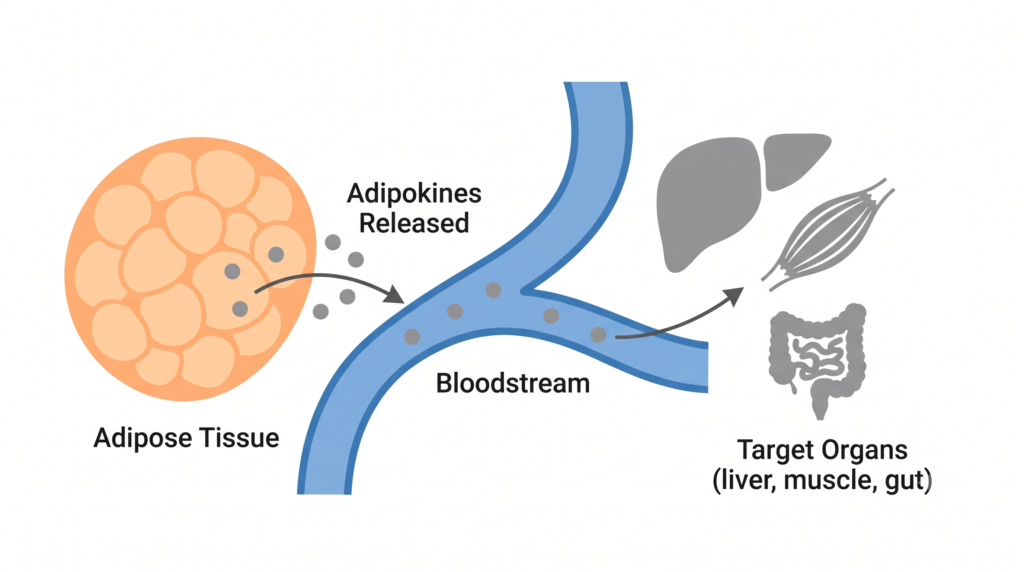
Fat tissue in an obese cat does more than store energy. It actively produces and releases signaling compounds that travel through the bloodstream. These compounds influence organs throughout the body, which is why obesity affects more than the number on a scale.
She has always been a good eater, so it is easy to assume she is getting everything she needs from her food. For a lean cat, that assumption usually holds. I always assumed the fat was just sitting there, but it turns out it is doing something far more active than that. Understanding how body fat affects cat metabolism starts with recognizing this shift.
I could see she was getting thinner across her back, but her belly was still there. I could not explain the change to myself until I understood what fat tissue does in cats. Adipose tissue, or fat tissue, functions as an endocrine organ. This means it behaves less like a storage container and more like a gland.
I read somewhere that fat tissue produces hormones, and I had no idea that was even possible. In simple terms, adipose tissue in an obese cat produces signaling compounds that travel through the bloodstream. These compounds can alter how other organs work. They are called adipokines, the collective name for compounds released by fat tissue into the bloodstream. Adipokines can influence appetite, metabolism, inflammation, and nutrient processing throughout the body.
Does cat obesity cause hormone changes is a fair question at this point. The answer connects directly to three adipokines that are especially relevant to how obesity changes a cat’s nutritional needs: leptin, adiponectin, and resistin. Each plays a distinct role. The next two sections cover leptin and adiponectin individually because they are the two most directly tied to nutrient use.
In a lean cat, adipokine secretion is generally balanced. These signals support normal appetite regulation, energy use, and nutrient processing. Veterinary guidance from feline nutrition researchers suggests that this balance depends heavily on total fat mass staying within a moderate range. Once fat mass expands significantly, the same signaling system can start working against the body rather than supporting it.
In an obese cat, the large amount of fat tissue can make adipokine secretion chronic and dysregulated. Instead of rising and falling appropriately around meals and activity, these signals may stay elevated or become depleted. This can disrupt normal metabolic function. Obesity does not just add weight. It can change the internal chemical environment in which a cat’s organs and cells operate every day.
This endocrine disruption can contribute to many of the nutrient requirement changes covered throughout this article. Research in cats and comparable species indicates that changes in this chemical environment can affect protein handling, vitamin circulation, and gut function. This is why this section provides the foundation for everything that follows.
What Is Leptin Resistance in Cats?
Leptin is a hormone produced by fat tissue. It helps signal fullness and regulate how much energy the body uses. In a lean cat, leptin rises after eating and tells the brain to stop eating and start using stored energy. In obesity, this signal may stop working as it should, even when the body produces more leptin.
Leptin is produced roughly in proportion to fat mass. This means an obese cat may produce more leptin than a lean cat. However, the signal can become less effective as fat mass increases. As fat tissue expands, leptin production tends to remain chronically high. Instead of creating a stronger fullness signal, this ongoing elevation can cause the brain and body to become less sensitive to leptin over time.
This state is known as leptin resistance. It means the body no longer responds normally to leptin, even though it continues to produce more of it. In simple terms, the body is producing more leptin than ever, but the signal is no longer being received or acted on correctly. It is similar to shouting into a room where everyone has stopped listening.
Leptin resistance in obese cats may contribute to several nutritional effects. The appetite regulation system may no longer work normally. This can contribute to continued eating even when the cat already has excess energy stored in the body. Signals that control energy use can also become disrupted, which may reduce metabolic activity.
Research suggests that long-term high leptin levels may also affect signals involved in muscle maintenance. This can make it harder for the body to preserve lean tissue. Nutrient partitioning, which is the process of directing nutrients to the tissues that need them most, may also become less efficient.
Why does my obese cat have low energy? is one of the most common questions this pattern can raise. Leptin resistance may be part of the answer, along with the metabolic slowdown it can contribute to. It is important to be clear that leptin resistance is not the owner’s fault. It is also not something that can be corrected simply by feeding less.
Leptin resistance is a metabolic state that may require a broader nutritional strategy. A veterinarian is best placed to decide what that strategy should look like for an individual cat.
What Does Adiponectin Do in Obese Cats?
Adiponectin in cats what does it do? It is worth understanding as leptin’s metabolic counterpart because it tends to act in the opposite direction. While leptin often rises with obesity, adiponectin tends to decline as fat tissue expands. This reduces a hormone that normally supports several protective functions.
Adiponectin levels tend to move in the opposite direction to leptin and decline as fat mass increases. This removes a key support for insulin sensitivity and fat oxidation. In a lean cat, adiponectin performs several important jobs.
It helps cells respond to insulin and take up glucose and amino acids, the building blocks of protein. It also supports fat oxidation, helping the body use fat for fuel instead of relying more on protein or glucose. Adiponectin also has anti-inflammatory effects and supports muscle protein synthesis, which helps maintain lean muscle mass.
How obesity affects cat hormones becomes clearer once you see what can happen when adiponectin declines in an obese cat. Insulin sensitivity may decrease, setting the stage for the insulin resistance discussed in the next section. Fat-burning efficiency may also decrease, making it harder for the body to use stored fat for energy even when plenty is available.
Chronic low-grade inflammation may increase as well. This creates an internal environment that can speed up muscle breakdown. Support for muscle protein synthesis may also decrease, making it harder to maintain lean mass even when protein intake is otherwise adequate.
This decline connects with a pattern many owners notice before they understand the biology. A cat may appear to lose muscle across the back and shoulders while still carrying visible fat around the belly. Adiponectin decline is one biological mechanism that helps explain why a cat can lose muscle while fat stores remain relatively unchanged.
Miguel had a five-year-old Domestic Shorthair and noticed that his cat’s back legs looked thinner. Her belly, however, remained round. At a routine weigh-in, the vet noticed the same pattern and suggested tracking her body condition monthly with photos.
Over the following weeks, Miguel noticed that her topline began to fill in slightly. This gave him a clearer way to track changes in her muscle condition over time.
According to nutritional guidelines established by veterinary obesity researchers, this pattern is increasingly recognized as a feature of feline obesity rather than an unusual or isolated finding.
Veterinarians can measure adiponectin levels in cats through blood testing, although this is not yet part of routine standard bloodwork. If you want to know whether your cat has been assessed, you can raise the question directly with your veterinarian.
The visible result of leptin resistance and adiponectin disruption is a pattern many owners notice before they understand the biology. A cat may seem to lose muscle in some areas while fat remains elsewhere. Understanding that this process starts with hormone signaling, rather than the food itself, leads to the next question: what does this do to how the cat’s body uses the protein it eats?
Leptin vs. Adiponectin Reference Chart
| Factor | Leptin | Adiponectin |
|---|---|---|
| Where it’s produced | Fat tissue (adipose tissue) | Fat tissue (adipose tissue) |
| Primary role in a lean cat | Signals satiety and regulates energy expenditure after eating | Supports insulin sensitivity, fat oxidation, and anti-inflammatory function |
| How levels change with obesity | Increases as fat mass increases | Decreases as fat mass increases |
| What goes wrong in obesity | The brain becomes desensitized to leptin despite higher levels (leptin resistance) | Reduced availability removes support for insulin sensitivity and fat burning |
| Effect on appetite | May contribute to continued eating despite adequate energy reserves | No direct appetite role; effect is metabolic rather than behavioral |
| Effect on protein and muscle | May impair muscle maintenance signaling, contributing to reduced lean tissue preservation | Reduced levels lower support for muscle protein synthesis, compounding muscle loss |
| Effect on insulin and glucose handling | Indirect; contributes to overall metabolic disruption | Direct; decline is closely tied to reduced insulin sensitivity |
| Effect on inflammation | Chronic elevation is associated with dysregulated signaling generally | Decline removes a key anti-inflammatory support, potentially increasing low-grade inflammation |
Note: this table reflects general patterns described in veterinary and comparative research on feline obesity. Individual cats can vary, and hormone levels are not something an owner can assess without veterinary testing.
Obesity Changes How Much Protein a Cat Needs
The hormonal disruption covered in the previous section does not stay abstract. It directly changes how a cat’s body handles the protein in its diet.
This section looks at three parts of that disruption. First, why obese cats may need more protein overall. Second, why the protein they receive may be less efficiently delivered to muscle cells. Third, what happens to protein at the broader metabolic level.
Together, these three factors explain one of the most counterintuitive facts in feline obesity nutrition.
Why Do Obese Cats Need More Protein?
Obese cats generally need more dietary protein than lean cats, not less. This may seem surprising because many owners assume an overweight animal is already over-nourished. This is directly relevant to whether obesity changes protein needs in cats, because the change is real but specific. It affects protein concentration and quality, not overall food volume.
She is not eating less than she used to, but something about how her body handles food has clearly changed. For many owners, this is when the food itself stops being a satisfying explanation.
Part of what is happening involves a state called anabolic resistance. This means muscle cells become less responsive to the muscle-building signal that dietary protein normally triggers. As a result, the cat may need more protein to achieve the same maintenance effect that a smaller amount would provide in a lean cat.
At the same time, chronic low-grade inflammation from excess fat tissue can accelerate muscle protein catabolism, or breakdown. In an obese cat, the baseline rate of muscle breakdown may be higher than in a lean cat. This means the body may lose muscle protein faster and need more protein to keep pace.
This helps explain why obese cats can be protein deficient, even when a cat appears well-fed. A cat can carry excess body fat while still having an inadequate supply of protein for maintaining muscle.
It is important to be specific about what this does and does not mean. This is not about feeding more food overall. It is about increasing the protein concentration and quality within the diet, rather than increasing total calories.
Standard commercial cat foods, especially those designed for weight management, often reduce calories and may also provide less protein. That can work against the needs of a cat that is already losing muscle because of obesity.
I started giving her the expensive grain-free food, and she still seemed to be going downhill, and I could not understand why. This is a common experience that makes more sense once you separate calorie reduction from protein adequacy.
A food can be appropriately low in calories while still falling short of the protein concentration an obese cat’s muscles need. This article does not specify protein percentages or feeding amounts. That level of detail belongs in dietary planning rather than this biological explanation.
Instead, this section establishes why the need for more protein can exist in the first place. The appropriate protein level for an individual obese cat depends on factors such as age, concurrent conditions, and the degree of muscle loss already present.
If your cat is currently on a commercial weight management food, it is worth asking your veterinarian whether the protein level is appropriate for her current muscle condition. This makes the question about diet more specific and useful for your veterinary visit.
Keeping a simple note of any new symptoms can also help. Track changes in thirst, coat quality, energy levels, or movement over a two-to-four-week period. This gives your veterinarian useful information about changes you may notice at home.
Protein Label Check Guide
A quick guide for locating the protein information that actually matters on a cat food label, since the number alone does not tell the full story.
Where to look, in order:
- Guaranteed Analysis panel — find the line labeled “Crude Protein (min).” This gives you a minimum percentage, not the exact amount, and it is listed on an “as fed” basis, which includes moisture.
- Check whether the food is wet or dry — wet food typically shows a lower crude protein percentage than dry food simply because it contains far more water. Comparing a wet food’s percentage directly to a dry food’s percentage without adjusting for moisture is not an accurate comparison.
- Ingredient list, first five ingredients — look for a named animal protein source (such as “chicken,” “chicken meal,” “salmon”) appearing early in the list. Ingredients are listed by weight before cooking, so an early position generally signals a higher raw protein contribution.
- Look for “meal” versus whole meat terms — a named meal (e.g., “chicken meal”) is a concentrated protein source with moisture already removed, and its presence alongside or instead of whole meat is not automatically a lower-quality signal.
- Check for a calorie-content statement — usually found near the Guaranteed Analysis, sometimes on the side panel, listed as kcal/kg or kcal per cup or can. This lets you evaluate protein relative to calories rather than by percentage alone.
- Look for a “complete and balanced” AAFCO statement — this confirms the food meets minimum nutritional adequacy standards for the cat’s life stage, though it does not specify protein source quality on its own.
What this guide does not tell you: it does not tell you whether the protein level or source is appropriate for your specific cat’s condition, weight, or muscle status. That determination depends on factors this article covers, including age, concurrent health conditions, and degree of muscle loss, and is best made with your veterinarian.
How Does Insulin Resistance Block Protein Use?
The vet said she was becoming insulin resistant, and I did not know cats could even get that. Does cat obesity cause insulin resistance? is a well-established question in veterinary nutrition. Insulin resistance in cats is closely associated with obesity and is a recognized precursor to feline diabetes mellitus, a metabolic disease involving chronically high blood glucose.
Understanding insulin resistance in cats’ protein absorption starts with a simple picture. In a healthy cat, insulin acts like a key that helps cells take in glucose and amino acids from the bloodstream. In an obese cat, insulin resistance means that key does not work as well. As a result, muscle cells may receive less building material even when protein intake looks adequate on paper.
This has a specific effect on cat obesity amino acid absorption. Insulin signaling helps amino acids enter muscle cells efficiently. When insulin resistance develops, amino acid uptake at the cellular level can become less efficient. Muscle cells may then receive less raw material for repair and maintenance, even after the cat eats enough protein. In practical terms, dietary protein may look sufficient on paper but still be less effective at the tissue level.
This connects directly to the adiponectin decline covered earlier. Adiponectin normally supports insulin sensitivity, so its decline in obesity can contribute to insulin resistance. It is also important to separate this from the whole-body protein need covered in the previous section. That section explained why an obese cat may need more protein overall. This section explains why even adequate protein may not reach the cells that need it efficiently. Both problems can happen at the same time and make each other worse.
She seemed to be drinking from the water bowl constantly, and I could not figure out what had changed. Increased thirst is one sign some owners notice with metabolic changes such as insulin resistance. However, it has several possible causes and does not point to insulin resistance on its own.
Noting whether your cat drinks noticeably more water than usual is simple to track and mention at a veterinary visit. Insulin resistance in cats can be assessed through veterinary testing. If your cat has been diagnosed as insulin resistant or pre-diabetic, this can change which nutritional interventions are appropriate. That is a point worth discussing with your vet rather than assuming based on symptoms alone.
Understanding insulin resistance in cats’ protein absorption starts with a simple picture. In a healthy cat, insulin acts like a key that helps cells take in glucose and amino acids from the bloodstream. In an obese cat, insulin resistance means that key does not work as well. As a result, muscle cells may receive less building material even when protein intake looks adequate on paper.
This has a specific effect on cat obesity amino acid absorption. Insulin signaling helps amino acids enter muscle cells efficiently. When insulin resistance develops, amino acid uptake at the cellular level can become less efficient. Muscle cells may then receive less raw material for repair and maintenance, even after the cat eats enough protein. In practical terms, dietary protein may look sufficient on paper but still be less effective at the tissue level.
This connects directly to the adiponectin decline covered earlier. Adiponectin normally supports insulin sensitivity, so its decline in obesity can contribute to insulin resistance. It is also important to separate this from the whole-body protein need covered in the previous section. That section explained why an obese cat may need more protein overall. This section explains why even adequate protein may not reach the cells that need it efficiently. Both problems can happen at the same time and make each other worse.
She seemed to be drinking from the water bowl constantly, and I could not figure out what had changed. Increased thirst is one sign some owners notice with metabolic changes such as insulin resistance. However, it has several possible causes and does not point to insulin resistance on its own.
Noting whether your cat drinks noticeably more water than usual is simple to track and mention at a veterinary visit. Insulin resistance in cats can be assessed through veterinary testing. If your cat has been diagnosed as insulin resistant or pre-diabetic, this can change which nutritional interventions are appropriate. That is a point worth discussing with your vet rather than assuming based on symptoms alone.
Insulin Resistance Warning Signs Reference
| Observable Sign | What It May Relate To | Worth Raising With Your Vet? |
|---|---|---|
| Drinking noticeably more water than usual | May reflect metabolic shifts, including changes in glucose handling | Yes — mention at your next visit, or sooner if the change is sudden |
| Increased frequency of urination or more time spent in the litter box | Can accompany changes in water intake and glucose regulation | Yes — especially if paired with increased thirst |
| Continued eating or persistent hunger despite adequate food intake | May relate to disrupted appetite signaling, including leptin resistance | Worth mentioning, though it has several possible causes |
| Muscle loss along the back or shoulders despite normal or increased food intake | May reflect impaired amino acid delivery to muscle cells | Yes — this pattern is worth describing specifically to your vet |
| Reduced energy or stamina during normal activity | Can relate to several metabolic disruptions, not specific to one cause on its own | Worth noting if it represents a real change from baseline |
| Weight that is difficult to shift despite portion control | May relate to underlying metabolic resistance rather than food amount alone | Yes — a useful topic to raise before adjusting a diet further |
| No noticeable signs at all | Insulin resistance can be present without obvious outward signs | Still worth screening for if your cat is diagnosed as obese |
Note: none of these signs confirm insulin resistance on their own. Each has multiple possible explanations, and insulin resistance in cats can only be assessed through veterinary testing.
How Does Obesity Change Protein Use in Cats?
If you are wondering how fat affects protein use in cats, the answer involves more than just how much protein the cat eats. Obesity can change the overall metabolic fate of dietary protein, with the body increasingly treating protein as fuel rather than as building material.
She is eating the same food she always has, but her body is not using it the same way anymore. This section explains one mechanism behind that change. When fat oxidation is impaired, which can happen with the adiponectin decline and L-carnitine issues covered later, the body may increasingly use protein as a fuel source instead of structural material. This redirects dietary amino acids away from muscle maintenance and toward energy production. This process is sometimes called a gluconeogenic shift. It refers to gluconeogenesis, the process of producing glucose from non-carbohydrate sources such as protein.
This creates competition for dietary protein between two needs: tissue maintenance and energy production. In an obese metabolic state, energy production may increasingly take priority over muscle maintenance. This helps explain the obese cat muscle loss protein connection, because protein may be used as fuel rather than for maintaining muscle structure.
This pattern can also be described through nitrogen balance, which measures whether the body takes in as much protein as it breaks down. An obese cat in negative nitrogen balance is losing more protein from its tissues than it receives from food. Over time, this can contribute to the progressive muscle loss that many owners notice before they understand the cause.
Understanding that dietary protein can be redirected toward fuel changes how you think about what a cat is eating. Protein is only part of the picture, though. Cats also have species-specific amino acid needs that can become more vulnerable under these same obesity-related conditions.
Nitrogen Balance States Reference
| State | What’s Happening in the Body | Protein Intake vs. Breakdown | Visible Muscle Effect |
|---|---|---|---|
| Positive nitrogen balance | The body is taking in more protein than it is breaking down, typically supporting tissue growth or repair | Intake exceeds breakdown | Muscle mass may build or be actively maintained; common during growth, recovery, or with adequate high-quality protein intake |
| Neutral nitrogen balance | The body is taking in roughly the same amount of protein as it is breaking down | Intake approximately equals breakdown | Muscle mass stays stable; this is the typical state in a healthy adult cat at a stable weight |
| Negative nitrogen balance | The body is breaking down more protein from tissues than it is receiving from food | Breakdown exceeds intake | Progressive, visible muscle loss over time, even if the cat appears to be eating normally |
Note: nitrogen balance itself cannot be observed directly by an owner. The states above are described here to explain the mechanism behind visible muscle changes, such as the fat-and-wasting pattern discussed earlier in this article, not as something to self-assess. A veterinarian can evaluate muscle condition through physical exam and, where appropriate, further testing.
Taurine and Carnitine Are at Risk in Obese Cats
The protein problems discussed in the previous section affect muscle maintenance in general. However, two compounds deserve special attention because they are especially important to cats. These are taurine, an amino acid cats cannot make in adequate amounts, and L-carnitine, a related compound that helps the body use stored fat for energy.
Both compounds can become more vulnerable under the same obesity-related conditions discussed earlier. Because problems with either one can have important effects, each deserves a closer look.
Why Are Obese Cats at Risk for Taurine Deficiency?
The question of whether obesity can cause taurine deficiency in cats is reasonable, but the answer starts with a fact that applies to all cats, not only obese cats. Cats are obligate carnivores, which means they need certain nutrients from animal sources that other animals can make themselves. Cats cannot make enough taurine from precursor amino acids. This makes dietary taurine supply and metabolic turnover the two main factors that determine taurine status. Cats have no internal backup system if either one falls short.
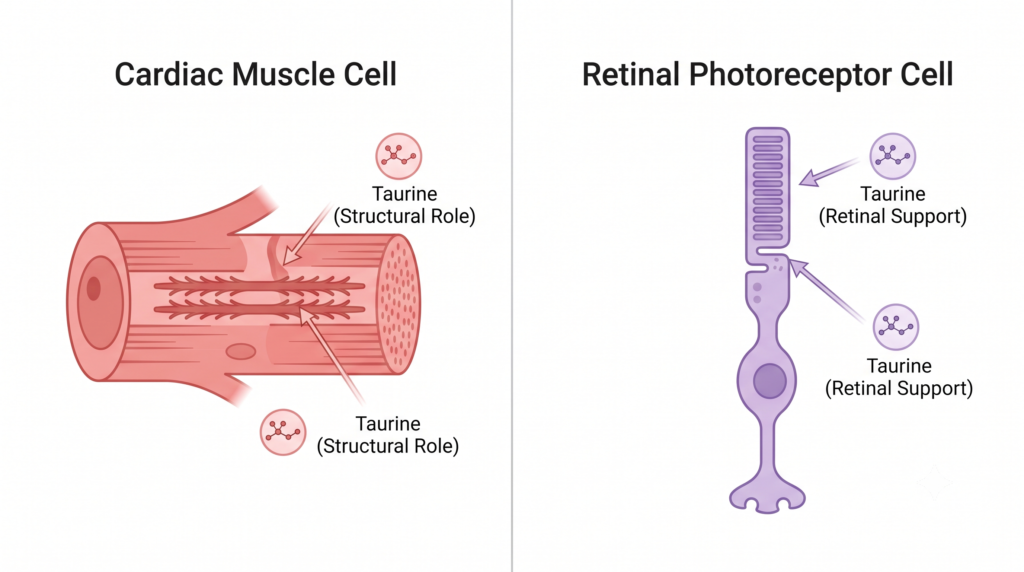
Taurine performs several important functions in cats. It supports cardiac muscle function because it forms part of the heart muscle cells. It also supports retinal function and visual acuity, as the retina contains a high concentration of taurine. Taurine also helps with bile acid conjugation, which affects fat digestion and absorption. In addition, it plays a role in immune function and neurological development.
I gave her a taurine supplement I bought at the pet shop, and I am not sure whether that was the right thing to do. This is a common and understandable response. However, taurine status in an obese cat is better assessed through testing than assumption.
Obesity-related metabolic changes may increase taurine use and turnover in some cats. This could raise the taurine requirement beyond what a standard diet provides, which relates to obese cat taurine requirements increased. Reduced food intake during weight management can also lower the total amount of taurine a cat consumes. Less food means less of each nutrient in that food.
Gut microbiome changes, discussed later in this article, may also affect bile acid cycling. This may influence how efficiently the body conserves taurine. These factors help explain why taurine status deserves attention during obesity and weight management.
Taurine deficiency in cats is a genuine clinical concern because taurine supports both heart and retinal function. For this reason, the link between obesity and taurine status deserves veterinary monitoring rather than home management.
A veterinarian can assess taurine status through plasma taurine testing. If your cat has been diagnosed as obese, asking your veterinarian to check taurine status, along with vitamin D, in routine bloodwork is a reasonable and specific request.
Taurine Function Reference Chart
| Body System | Taurine’s Specific Role | What May Happen If Levels Drop |
|---|---|---|
| Heart (cardiac muscle) | Structural component of the heart muscle cell itself, supporting normal cardiac muscle integrity and function | May contribute to dilated cardiomyopathy (DCM), a condition in which the heart muscle weakens and the chambers enlarge |
| Eyes (retina) | Maintains the integrity of photoreceptor cells; the retina holds an unusually high concentration of taurine relative to other tissues | May contribute to central retinal degeneration (CRD), a progressive deterioration of photoreceptor cells that can affect vision |
| Digestive system (bile acids) | Involved in bile acid conjugation, which affects how fat is digested and absorbed | May reduce efficiency of fat digestion and absorption over time |
| Immune system | Plays a supporting role in normal immune function | Not fully characterized in cats; an area where research is less specific than for cardiac and retinal effects |
| Nervous system | Plays a role in neurological development and function | Not fully characterized in cats; more established in developmental contexts than in adult deficiency |
Note: this table reflects taurine’s known functions in cats. Cardiac and retinal effects are the most clinically established consequences of deficiency; the immune and neurological roles are real but less specifically documented. Taurine status can only be confirmed through veterinary testing, such as plasma taurine testing, not through observation alone.
What Are the Signs of Taurine Deficiency in Cats?
One of the most important things to understand about taurine deficiency symptoms in cats is why veterinarians take them seriously. Taurine directly supports two key systems: the heart and the retina. Cats cannot make enough taurine on their own, so deficiency can develop faster than it might in species that can produce taurine internally.
Taurine is a structural part of cardiac muscle cells. A deficiency does not simply slow heart function. It can also affect the physical structure of the heart muscle itself. This helps explain taurine deficiency and heart problems and why taurine status matters when a cat develops cardiac concerns.
The main cardiac condition linked to taurine deficiency in cats is dilated cardiomyopathy (DCM). This condition weakens the heart muscle and enlarges its chambers, making it harder for the heart to pump blood effectively. Taurine deficiency has been associated with this type of progressive heart muscle dysfunction. When caught early, DCM linked to taurine deficiency may improve with taurine supplementation under veterinary supervision.
Her heart murmur was discovered the same year she was diagnosed as obese, and many owners wonder if the two could be connected. DCM requires a veterinary cardiac assessment, including an echocardiogram, which is an ultrasound of the heart. You cannot confirm or rule out this condition through observation at home. If your cat has had a cardiac assessment that found a murmur, discussing taurine status with your cardiologist or internist is worth considering.
The retina also needs unusually high levels of taurine to maintain its photoreceptor cells. These are the light-sensing cells responsible for vision. This is where cat taurine deficiency retinal degeneration becomes an important concern.
When taurine levels fall too low, cats may develop central retinal degeneration (CRD). This causes progressive damage to photoreceptor cells and usually starts in the central part of the retina. Unlike some cardiac changes, retinal damage from taurine deficiency may not be reversible once it has progressed. This makes early identification especially important. A veterinary ophthalmologist must assess the retina to identify this type of damage.
Because taurine deficiency can affect both the heart and the retina, taurine status in an obese cat deserves veterinary attention. It is better to discuss it with your veterinarian than to simply watch for symptoms at home.
What Does L-Carnitine Do for Cats?
what does L-carnitine do for cats is the question this section answers first. L-carnitine acts as a transport molecule carrying fatty acids across the mitochondrial membrane. Without it, the mitochondria (the energy-producing structures inside cells) cannot access stored fat as fuel, regardless of how much fat is available in the body. This is the process of mitochondrial fatty acid oxidation, the process by which mitochondria break down fatty acids to generate fuel, and L-carnitine is the transport mechanism that makes this process possible.
This matters because even when a cat has abundant fat reserves, that fat is functionally useless as an energy source if it cannot be transported into the cellular structures that burn it. Cats obtain L-carnitine in two ways. It is synthesized in the liver and kidneys from the amino acids lysine and methionine, and it is also obtained directly from dietary meat sources.
I noticed she seemed to tire much more quickly than she used to, even just walking across the room. This pattern can reflect several underlying issues, but reduced access to fat as an energy source is one of them. Several factors specific to obesity may make L-carnitine insufficiency more likely. The demand for L-carnitine can increase in obesity simply because there is more fat that theoretically needs to be mobilized and transported for use. Obesity-related liver changes may also impair the liver’s ability to synthesize L-carnitine as efficiently as it otherwise would. Diets lower in meat content, which are common in some commercial weight-management formulations, may provide less dietary L-carnitine as a result. The metabolic disruptions already discussed from leptin resistance and adiponectin decline may further alter how L-carnitine is used within the body, which is the concern behind ==L-carnitine obese cat fat burning==.
L-carnitine’s role in feline metabolism has been studied specifically in the context of feline obesity and weight management, distinguishing it from its role in some other species. Research suggests that L-carnitine availability may be reduced in obese cats under certain conditions, though this is an area where individual variation is significant.
Signs of Reduced Fat-Burning Efficiency
What to observe over the next few weeks
☐ Tires more quickly than usual during normal activity, such as walking across a room or up stairs
☐ Shows less interest in play sessions that used to hold their attention
☐ Rests or sleeps more during times of day they were previously active
☐ Takes longer to recover after moderate activity, such as a play session or climbing
☐ Seems less willing to jump onto furniture or surfaces they used to reach easily
☐ Shows a general decrease in overall activity level compared to a few months ago
☐ Appears to lose muscle tone or definition despite fat stores remaining visible
☐ Has a coat that feels less full or shows reduced overall condition alongside these other changes
Note: none of these signs confirm reduced L-carnitine availability or impaired fat metabolism on their own. Each can have several possible explanations, including normal aging, joint discomfort, or other conditions unrelated to fat metabolism. This checklist is meant to help you describe specific, observable changes to your veterinarian, not to self-diagnose a cause.
How Does L-Carnitine Loss Cause Muscle Loss?
The first question to answer here is what does L-carnitine do for cats? L-carnitine acts as a transport molecule that carries fatty acids across the mitochondrial membrane. Without it, mitochondria, the energy-producing structures inside cells, cannot access stored fat as fuel. This process is called mitochondrial fatty acid oxidation, and L-carnitine helps make it possible.
This matters because a cat can have plenty of stored fat but still struggle to use it for energy if that fat cannot reach the mitochondria. Cats get L-carnitine in two ways. Their liver and kidneys can make it from the amino acids lysine and methionine, and cats can also get it from dietary meat.
I noticed she seemed to tire much more quickly than she used to, even just walking across the room. Several issues can cause this pattern, but reduced access to fat for energy is one possibility. Obesity may make L-carnitine insufficiency more likely for several reasons.
The body may need more L-carnitine during obesity because more stored fat may need to be mobilized and transported for energy. Obesity-related liver changes may also affect how efficiently the liver makes L-carnitine. Diets with less meat may provide less dietary L-carnitine, which can matter in some weight-management diets. Changes linked to leptin resistance and lower adiponectin may also affect how the body uses L-carnitine. Together, these factors help explain concerns about L-carnitine’s role in obese cat fat burning.
L-carnitine’s role in feline metabolism has been studied in relation to obesity and weight management. This makes its role in cats different from how it may function in some other species. Research suggests that L-carnitine availability may be lower in obese cats under certain conditions, although individual cats can vary.
Obesity Traps Vitamins Inside a Cat’s Fat
Taurine and L-carnitine involve amino acid-related pathways, but fat-soluble vitamins face an entirely different kind of disruption in obesity, one rooted in basic chemistry rather than hormone signaling or protein metabolism. This section explains why vitamins A, D, E, and K behave differently in a cat carrying excess fat, and then walks through each of the four vitamins individually to explain its specific risk pattern.
Why Do Vitamins Get Trapped in Fat?
The vet mentioned her vitamin levels might be low, but I could not understand how that was possible when she was clearly eating enough. This is a reasonable point of confusion, and it connects directly to the question of why fat traps vitamins in cats. Vitamins A, D, E, and K are fat-soluble, which means they dissolve in fat rather than water. This is why the body stores them in fatty tissue instead of removing them through urine, as it typically does with water-soluble vitamins.
In simple terms, fat-soluble vitamins dissolve in fat rather than water. This means adipose tissue can capture and hold them instead of allowing them to circulate freely in the bloodstream. In an obese cat, adipose tissue can act as a reservoir for these vitamins. This can reduce the amount available in the bloodstream, where the body needs them to perform their normal functions. This is the key reason behind the question, does body fat affect vitamin absorption cats?
I thought vitamins just passed through the body or got stored up for when they were needed. I did not know they could get stuck. This highlights an important difference between absorption and bioavailability, which is the amount of a nutrient that becomes available for the body to use. It also helps explain why fat-soluble vitamins stored in body fat in cats is a documented phenomenon rather than a rare exception.
A fat-soluble vitamin may be absorbed from the gut normally. However, in an obese cat, some of that absorbed vitamin may move into adipose tissue instead of staying in general circulation. As a result, the amount available in the bloodstream may be lower than the total amount the cat absorbed.
This means a cat can eat an adequate amount of fat-soluble vitamins while still having lower functional levels in the bloodstream. This effect has been documented in obese humans and is also being studied in companion animals, including cats. Feline-specific research in this area is still developing.
The four sections that follow look at vitamins A, D, E, and K separately. Each vitamin has its own potential consequences when circulating levels fall.
Why Do Obese Cats Have Low Vitamin D?
I did not know there was a difference between how much vitamin D she was eating and how much was actually reaching the tissues that needed it. So, does obesity lower vitamin D in cats? It can, because excess fat tissue may capture more vitamin D before it reaches the bloodstream. Obesity may also affect how the body converts vitamin D into forms it can use.
In an obese cat, a larger proportion of absorbed vitamin D may be captured by adipose tissue before it reaches the bloodstream. This can lower circulating levels even when dietary intake appears normal. This is what low vitamin D bioavailability means. It refers to the amount of consumed vitamin D that reaches the bloodstream and becomes available to body tissues. In obese cats, this amount may be lower than dietary intake because of adipose sequestration. This is the pattern behind vitamin D deficiency in obese cats.
Vitamin D supports several important functions in the body. It helps regulate calcium and phosphorus and supports their absorption from the gut. It also supports reabsorption through the kidneys.
Vitamin D also helps regulate immune system activity. Immune cells carry vitamin D receptors that respond to circulating vitamin D levels. Vitamin D also supports muscle cell function, and deficiency has been linked with muscle weakness in several species. It also has anti-inflammatory effects, which may matter in cats with obesity-related chronic inflammation.
Low circulating vitamin D in obese cats may add to the muscle loss already linked to protein and amino acid changes. This creates another pathway that may contribute to the same visible outcome.
A veterinarian can assess vitamin D status through blood testing. It is worth discussing this directly with your veterinarian. Supplementing without testing can carry a risk of toxicity because vitamin D can accumulate in the body. If your cat has been diagnosed as obese, asking your veterinarian to check vitamin D and taurine status during routine bloodwork is a reasonable and specific request.
Vitamin D Functions and Sequestration Effects
| Function | What Vitamin D Normally Does | Possible Effect of Reduced Circulating Levels |
|---|---|---|
| Calcium and phosphorus regulation | Supports mineral absorption from the gut and reabsorption through the kidneys | May contribute to imbalances in calcium and phosphorus handling over time |
| Immune system modulation | Immune cells carry vitamin D receptors that respond to circulating levels, supporting normal immune signaling | May reduce the efficiency of normal immune response |
| Muscle cell function | Plays a role in normal muscle cell activity and maintenance | Has been associated with muscle weakness in multiple species; may compound muscle-wasting patterns already driven by protein disruption |
| Anti-inflammatory regulation | Contributes anti-inflammatory effects relevant to controlling chronic low-grade inflammation | May reduce the body’s ability to offset the inflammation already associated with obesity |
Note: this table describes potential effects of reduced circulating vitamin D, not confirmed outcomes for any individual cat. Vitamin D status can only be assessed through blood testing, and supplementation without testing carries real toxicity risk given vitamin D’s tendency to accumulate in fat-soluble form. This is a conversation to have with your veterinarian, not a basis for supplementing independently.
How Does Obesity Affect Vitamin A Levels?
Vitamin A supports several distinct functions in cats. It is required for rhodopsin synthesis in the retina, which supports night vision. It also plays an essential role in the obese cat immune system vitamin A pathway, helping maintain mucosal barrier integrity and supporting the production and function of immune cells. Vitamin A also supports epithelial cell turnover, contributing to healthy skin and coat. It plays a role in reproductive function in breeding cats.
Many owners notice their cat’s coat becoming dull and assume it is simply part of aging. It may not occur to them that changes in coat quality can sometimes have a nutritional connection. Retinol, the active form of vitamin A, is highly fat-soluble and is stored in both adipose tissue and the liver. In obese cats with excess adipose tissue, circulating retinol may fall even when dietary intake is adequate. This follows the same sequestration pattern described earlier in this section.
Reduced circulating vitamin A may impair mucosal barrier function. This can increase susceptibility to infection and affect the integrity of the gut lining. Some owners may also notice thinning fur or areas where the coat does not grow back properly. These changes can be among the vitamin A deficiency obese cat symptoms that owners notice, although coat changes can also have other nutritional or health-related causes.
It is important to distinguish this situation from vitamin A toxicity. Vitamin A can accumulate to toxic levels in the liver under certain conditions. However, the concern described here in obese cats is reduced circulating availability, not necessarily excess vitamin A throughout the body. These two problems can exist at the same time.
Vitamin A testing and any supplementation decisions require veterinary guidance. Vitamin A toxicity is a genuine clinical risk in cats, so this article does not recommend self-supplementation. Photographing your cat’s coat from the same angle each month can help you track changes in sheen, thickness, or texture. This gives you useful information to bring to a veterinary appointment.
Coat and Skin Observation Checklist
What to look for during grooming or petting over the next few weeks
☐ Coat feels less full or noticeably thinner in patches compared to a few months ago
☐ Coat has lost some of its usual sheen or looks duller than normal
☐ Hair is not growing back as expected after normal seasonal shedding
☐ Skin appears flaky or dry in areas it did not before
☐ Coat feels rougher or coarser to the touch than it used to
☐ Bald or thinning patches appear in specific areas rather than evenly across the body
☐ Grooming habits have changed, such as excessive licking in one area or reduced self-grooming overall
☐ Skin shows any new redness, irritation, or sensitivity when touched
Note: none of these changes confirm a vitamin A or nutritional cause on their own. Coat and skin changes can also relate to aging, seasonal shedding, allergies, or other conditions unrelated to nutrition. This checklist is meant to help you document specific, observable changes to describe to your veterinarian, not to self-diagnose a cause.
Why Do Obese Cats Need More Vitamin E?
A fair question is Can obesity cause vitamin E deficiency cats? It starts with understanding vitamin E’s role in the body. Vitamin E is the body’s principal fat-soluble antioxidant, helping protect cell membranes from damage caused by free radicals, which are unstable molecules that can damage cells.
This becomes important because obesity can increase oxidative stress through several pathways. The topic of obese cat oxidative stress vitamins becomes relevant here because chronic, low-grade inflammation from excess adipose tissue can create ongoing oxidative stress. Higher metabolic activity in organs that are working to compensate for obesity-related changes can also increase free radical production. In general, more fat mass means a greater inflammatory burden and a higher demand on antioxidant systems such as vitamin E.
Chronic, low-grade inflammation in obese cats can increase the rate at which the body uses vitamin E as an antioxidant. This may raise the need for vitamin E beyond what a standard diet provides. At the same time, vitamin E supply to the bloodstream may be reduced by the same sequestration process that affects other fat-soluble vitamins. This can create a gap between how much vitamin E an obese cat needs and how much is available to the body.
Oxidative stress can also damage muscle cell membranes directly. It may contribute to faster muscle breakdown, making vitamin E status relevant to muscle loss as well as vitamin sequestration.
Assessing vitamin E status and deciding whether supplementation is needed require veterinary guidance. This is important because vitamin E needs can vary with oxidative stress and vitamin availability. It is also best to avoid giving fat-soluble vitamin supplements without appropriate veterinary advice.
How Is Vitamin K Affected by Obesity?
When it comes to vitamin K and fat tissue in cats, this is the least commonly discussed of the four fat-soluble vitamin relationships in feline obesity. However, its sequestration pattern has its own practical implications, especially when it comes to blood clotting.
Vitamin K is essential for making clotting factors in the liver. Without enough vitamin K, blood coagulation, the process that allows blood to clot, can be impaired. Vitamin K also supports bone metabolism by helping activate osteocalcin, a protein needed for bone mineralization. Vitamin K2 also plays a role in limiting calcium deposits in soft tissue.
Like the other fat-soluble vitamins discussed above, vitamin K can become sequestered in adipose tissue in obese cats. However, vitamin K differs from vitamins A and D because it has a relatively short half-life and limited storage in the body. This may make changes in circulating vitamin K more noticeable because the body has less stored vitamin to draw from.
If circulating vitamin K falls below adequate levels, clotting function may become impaired. This is especially relevant if a cat needs surgery or experiences a significant injury. For obese cats, your veterinarian may want to assess clotting function before a planned surgical or dental procedure.
Vitamin K status can be assessed through coagulation testing. This is worth discussing with your veterinarian if your cat is being considered for a procedure that requires anesthesia or an incision.
Because fat-soluble vitamins can accumulate in tissues and become toxic at high doses, giving supplements without a confirmed deficiency can cause harm. Testing is therefore a better next step than guessing when you suspect a vitamin problem. With this vitamin picture established, the next section looks at a different type of disruption: how obesity can affect the gut and liver themselves, rather than only the nutrients passing through them.
Fat-Soluble Vitamin Comparison Reference
| Vitamin | Primary Function(s) | Sequestration Risk in Obese Cats | Storage Duration in the Body |
|---|---|---|---|
| Vitamin A | Vision (night vision via rhodopsin), immune function, mucosal barrier integrity, skin and coat health, reproduction | Captured by adipose tissue, reducing circulating retinol despite adequate dietary intake | Stored longer-term in both adipose tissue and the liver |
| Vitamin D | Calcium and phosphorus regulation, immune modulation, muscle cell function, anti-inflammatory effects | Captured by adipose tissue; also affected by a separate conversion process that obesity may impair | Stored longer-term in adipose tissue |
| Vitamin E | Principal fat-soluble antioxidant, protects cell membranes from oxidative damage | Subject to the same sequestration pattern, compounded by increased demand from obesity-related oxidative stress | Stored in adipose tissue, though demand can outpace storage during periods of elevated oxidative stress |
| Vitamin K | Clotting factor synthesis in the liver, bone metabolism (osteocalcin activation), vascular health (K2 specifically) | Subject to adipose tissue sequestration like the others | Comparatively short half-life and limited storage capacity, making sequestration effects potentially more immediately noticeable |
Note: this table summarizes patterns described earlier in this article for each vitamin individually. All four are fat-soluble and share the same basic sequestration mechanism, but they differ in how long the body can draw on stored reserves, which is why vitamin K’s shorter storage window is worth noting separately from A and D. Status for any of these vitamins can only be confirmed through testing, and supplementing without a confirmed deficiency carries real toxicity risk given how these vitamins accumulate in tissue.
Obesity Disrupts a Cat’s Gut and Liver
The fat-soluble vitamin sequestration discussed in the previous section happens after nutrients have already been absorbed. This section looks at what happens both before and after absorption. First, it covers how obesity changes the gut environment before nutrients are absorbed. Then, it looks at how obesity increases specific demands on the liver once those nutrients arrive. Together, these four sections explain some of the less visible but potentially important disruptions discussed in this article.
How Does Obesity Change Cat Gut Bacteria?
One question owners often have is does obesity affect gut bacteria in cats? The answer is closely linked to the broader pattern of cat obesity gut microbiome changes. Some gut bacteria produce B vitamins, including B12 (cobalamin), B9 (folate), and B6 (pyridoxine), within the intestines. This contributes to a cat’s overall B vitamin status alongside dietary intake.
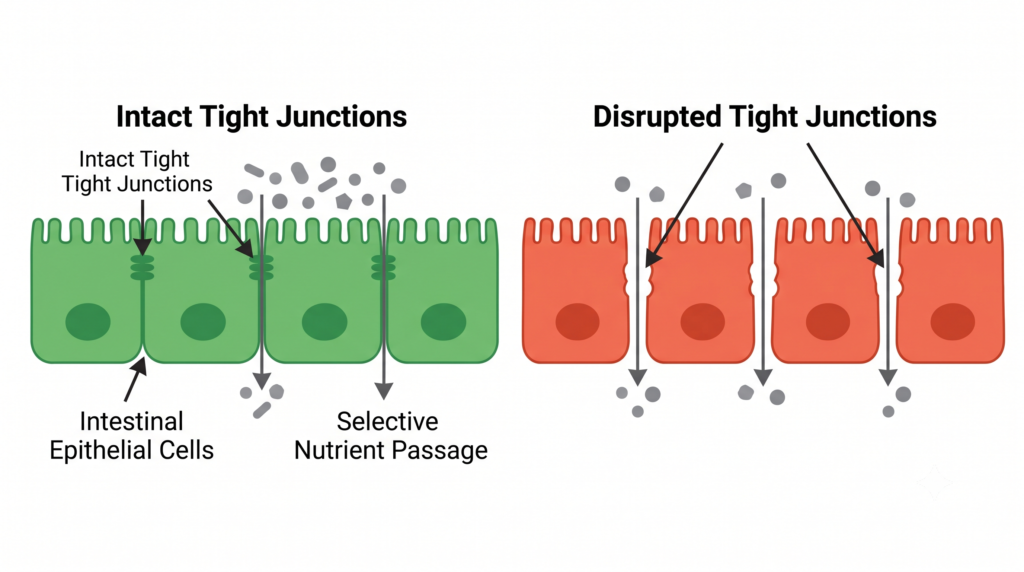
Obesity is linked with changes in gut bacterial composition across several mammalian species, including early findings in cats. These changes may reduce populations of bacteria that produce B vitamins while increasing populations linked with inflammation and metabolic problems. This imbalance, known as dysbiosis, is not simply a passive result of obesity. Research suggests it may also worsen metabolic function, creating a cycle that can reinforce itself.
Gut bacteria that produce B vitamins, including B12, folate, and B6, may be among the populations affected by obesity-related microbial changes. This helps explain why B vitamin deficiency in obese cats can become a concern. The question does obesity affects B12 in cats can therefore be answered in part by looking at reduced B12 production in the gut. Lower B12 availability may contribute to cobalamin deficiency, which is relevant to nerve function, red blood cell production, and energy metabolism.
Reduced folate availability can also affect cell division and DNA synthesis. These B vitamin changes may add to the energy metabolism problems linked to L-carnitine and insulin resistance discussed earlier in this article. The nutritional effects can therefore extend beyond the gut itself.
It is important to separate this gut-related disruption from the fat-tissue sequestration discussed in the previous section. Here, the concern is a production problem within the gut, not a trapping process in adipose tissue. Researchers studying feline gut health continue to investigate obesity-related microbiome changes in cats. The evidence is already clearer in some other species, while research in cats is still developing.
Why Do Obese Cats Absorb Fewer Nutrients?
A common question for cat owners is whether obesity can affect the gut, including: does obesity affect gut bacteria in cats? The answer is closely linked to the broader pattern of cat obesity gut microbiome changes. Some gut bacteria produce B vitamins, including B12 (cobalamin), B9 (folate), and B6 (pyridoxine), within the intestines. This contributes to a cat’s overall B vitamin status alongside dietary intake.
Obesity is linked to changes in gut bacterial composition across several mammalian species, including early findings in cats. These changes may reduce populations of bacteria that produce B vitamins while increasing populations linked with inflammation and metabolic problems. This imbalance is called dysbiosis. Research suggests it may also worsen metabolic function, creating a cycle that can reinforce itself.
Gut bacteria that produce B vitamins, including B12, folate, and B6, may be among the populations affected by obesity-related microbial changes. This helps explain why B vitamin deficiency in obese cats can become a concern. So, does obesity affect B12 in cats? In part, the answer involves changes in B12 production within the gut. Lower B12 availability may contribute to cobalamin deficiency, which is relevant to nerve function, red blood cell production, and energy metabolism.
Reduced folate availability can also affect cell division and DNA synthesis. These B vitamin changes may add to the energy metabolism problems linked to L-carnitine and insulin resistance discussed earlier in this article. The nutritional effects can therefore extend beyond the gut itself.
It is important to separate this gut-related disruption from the fat-tissue sequestration discussed in the previous section. Here, the concern is a production problem within the gut, not a trapping process in adipose tissue. Researchers studying feline gut health continue to investigate obesity-related microbiome changes in cats. The evidence is already clearer in some other species, while research in cats is still developing.
Why Do Obese Cats Need More Choline?
When the vet mentioned the liver, I panicked. I did not understand what her weight had to do with her liver. This is where choline for cats’ liver health becomes important. Choline helps the liver make phosphatidylcholine, a phospholipid needed to package fat into VLDL (very low-density lipoprotein) particles. These particles transport fat out of the liver and into the bloodstream for use elsewhere in the body.
In simple terms, the liver needs choline to package and move fat out. Without enough choline, the liver cannot export the fat it receives. Fat can then begin to build up inside liver cells.
This becomes especially important when we look at why obese cats get fatty liver. When an obese cat mobilizes fat, fatty acids enter the bloodstream and travel to the liver for processing. This can happen during normal metabolic activity or when food intake drops. The liver then needs to package these fatty acids into VLDL particles so it can export them.
This is also where obese cat liver needs more choline comes into the picture. An obese cat with ongoing high-fat mobilization may need more choline to support this packaging process than a lean cat under normal conditions. If choline supply does not meet that demand, more fat may remain in the liver instead of being exported. This can set the stage for the more serious liver condition discussed in the next section.
Cats have a limited ability to make choline on their own. This makes them more dependent on dietary choline than many other species. Standard commercial cat foods may not provide enough choline for an obese cat with high fat mobilization demands.
Choline supplementation should be discussed with your veterinarian. The right amount depends on the individual cat and its metabolic state.
How Does Low Protein Affect Cat Liver Health?
The term hepatic lipidosis in obese cats refers to one of the more serious topics covered in this article. It deserves a calm and clear explanation. Hepatic lipidosis is a condition where fat builds up in liver cells faster than the liver can process and export it. This can impair normal liver function. Obese cats are disproportionately represented among cases of this serious feline liver condition.
This connects directly to fatty liver disease in obese cats. Obese cats have several risk factors that can work together. They carry large fat reserves that can be rapidly mobilized when food intake drops. This may happen because of illness, stress, or intentional weight loss.
Rapid fat mobilization can send large amounts of fatty acids to the liver for processing. The liver must then process and export this fat efficiently. If choline and protein are not sufficient to support VLDL export, fat can start building up inside hepatocytes, or liver cells.
This early buildup is sometimes called hepatic steatosis. It means fat has accumulated inside liver cells. If fat processing continues to outpace the liver’s ability to export it, the condition can progress to hepatic lipidosis.
Protein also plays a specific and important role here. This is the basis of the cat hepatic lipidosis protein connection. Amino acids help provide substrates for glucose production during periods of high energy demand. The liver also needs amino acids to make albumin and other proteins that support normal liver function and fat transport.
When protein intake is too low, the liver may have less of the building material it needs for normal metabolic functions. This becomes especially important when the liver is already dealing with a high fat-processing demand.
When she stopped eating for a few days during a stressful house move, it was not obvious how quickly that could become a liver problem. This is the type of situation that makes hepatic lipidosis risk important in real life. The risk can increase during the transition from obesity to active weight loss because fat mobilization also rises.
Hepatic lipidosis requires prompt veterinary diagnosis and treatment. It is not a condition that should be managed at home. Any reduced food intake in an obese cat, even for two to three days, is worth reporting to a veterinarian because of this risk.
James had a senior Persian who had always been a steady eater. During a grooming session, he noticed that her coat felt thinner than usual. He mentioned it at her next checkup, and the vet recommended a higher-protein therapeutic food during her weight program. Within a month, James noticed that her appetite remained consistent from day to day.
If a cat undergoing weight management suddenly refuses food or becomes lethargic, contact your veterinarian the same day. Do not wait to see whether the appetite returns on its own.
The risk of hepatic lipidosis is highest during the transition from obesity to active weight loss. This highlights an important point. The nutritional risks discussed so far relate mainly to the stable obese state. Weight loss can create a different set of nutrient challenges, which the next section explores.
Reduced Appetite Warning Signs
Signs that warrant contacting your veterinarian the same day
☐ Has not eaten anything for more than 24 hours
☐ Is eating noticeably less than usual for two or more consecutive days
☐ Shows disinterest in food that was previously a favorite
☐ Approaches the food bowl but walks away without eating
☐ Appears lethargic or unusually withdrawn alongside reduced eating
☐ Has stopped eating during a period of stress, illness, or a recent change in routine
☐ Is currently in an active weight loss program and eating less than the amount discussed with your vet
☐ Shows any vomiting alongside reduced food intake
Note: any period of reduced food intake in an obese cat, even just two to three days, is worth flagging to a veterinarian given the risk of the liver processing fat faster than it can be exported. This is not a checklist to monitor and wait on. If a cat undergoing weight management suddenly refuses food or becomes lethargic, contact your veterinarian the same day rather than waiting to see if appetite returns on its own.
Nutrient Needs Shift Again During Cat Weight Loss
Everything discussed so far describes what happens inside an obese cat while its weight remains stable. This final section explains why weight loss is not simply a reversal of those changes. It introduces a third and distinct nutritional state with its own risks, including two micronutrients that become especially vulnerable during this period.
What Changes When an Obese Cat Loses Weight?
I did not realize that putting her on a diet could actually create new problems if it was not done carefully, a realization many owners reach only once they understand nutrient changes when a cat loses weight. An obese cat’s nutritional needs do not fall into only two states: obese and lean. There is a third state during active weight loss, and it has its own nutritional profile. This state differs from both the stable obese state and the final lean state.
Several factors make this transition period different. Fat is mobilized quickly, which increases the workload on the liver and the need for choline and protein discussed earlier. Calorie intake also falls, reducing the amount of all nutrients the cat receives. At the same time, changes in fat metabolism can affect mineral balance and increase the demand for B vitamins and other energy-related cofactors.
This shifting metabolic pattern is closely related to what veterinary literature describes as refeeding syndrome. This term refers to metabolic problems that can occur when food intake resumes or rises after a period of restriction. It can also occur as the body shifts from fat storage to active fat burning. Phosphorus and thiamine depletion are among the concerns during this transition.
These risks add to the problems already linked with obesity. They create a separate and sometimes more acute risk window rather than simply continuing the same issues. The speed of weight loss also matters. Faster weight loss can create greater nutritional disruption than a slower, gradual approach, which is central to understanding obese cat losing weight too fast risks.
Veterinary guidance supports monitoring these risks during an active weight loss program. This is why weight loss in obese cats should take place under veterinary supervision. During a planned weight loss program, ask your veterinarian about checkups every three to four weeks. This allows transition-related nutrient risks to be identified early, before they become clinically significant.
Three Nutritional States Comparison
| Factor | Stable Obese State | Active Weight Loss Transition | Stable Lean State |
|---|---|---|---|
| Fat mobilization | Minimal; fat stores remain relatively static | Rapid; fat is actively being mobilized and processed by the liver | Minimal; fat stores are stable at a healthy level |
| Caloric intake | Typically adequate to excessive relative to needs | Reduced, sometimes substantially, to support weight loss | Matched to maintenance needs |
| Protein requirement | Elevated, due to anabolic resistance and increased muscle breakdown | Elevated further, due to added fat mobilization demands on the liver and continued muscle catabolism risk | Standard maintenance level |
| Choline demand on the liver | Elevated relative to a lean cat, due to ongoing fat processing | Substantially elevated, due to rapid fat mobilization during active loss | Standard, lower demand |
| Hepatic lipidosis risk | Present but comparatively lower than during active transition | Highest risk window described in this article | Low, baseline risk |
| Phosphorus and thiamine risk | Not typically elevated in the stable state | Elevated, due to rapid shifts in cellular energy metabolism | Not typically elevated |
| Fat-soluble vitamin status | May show reduced circulating levels despite adequate intake, due to sequestration | Sequestration risk continues; some reserves may be drawn down as fat is mobilized | Sequestration risk is lower with less adipose tissue present |
| Recommended monitoring | Periodic veterinary check-ins | Veterinary monitoring every three to four weeks during active weight loss | Routine annual or biannual veterinary care |
Note: this table reflects the general patterns described throughout this article. Individual cats vary based on age, concurrent health conditions, and the severity and duration of obesity. This comparison is meant to clarify how the three states differ, not to replace an individualized plan developed with your veterinarian.
Why Does Phosphorus Drop During Cat Weight Loss?
The risk of phosphorus deficiency in cats during weight loss is closely linked to hypophosphatemia, or low blood phosphorus. This occurs when blood phosphorus falls below the level needed for normal cell function. Several factors can increase this risk during weight loss. As the body shifts from fat storage to active fat burning, cells must quickly increase their metabolic activity.
Phosphorus is essential for making ATP (adenosine triphosphate), the main energy source for cells. During this metabolic shift, the body’s demand for phosphorus can rise sharply.
When the body mobilizes fat quickly during weight loss, phosphorus demand can rise faster than food intake can replace it. If dietary phosphorus cannot meet this sudden increase, blood phosphorus levels may fall. This pattern is especially relevant when considering hypophosphatemia in cats dieting. Changes in insulin during weight loss may also affect how the kidneys reabsorb phosphorus, which can increase phosphorus loss through urine.
Hypophosphatemia can affect several body systems. It can cause muscle weakness because low phosphorus can impair muscle cell function, even when protein status is adequate. In more severe cases, cats may develop neurological signs such as confusion, poor coordination, or seizures. Low phosphorus can also make red blood cells more fragile because they need phosphorus to maintain their cell membranes.
This is mainly a transition-related risk during weight loss. It is not typically part of the stable obese state and may settle as weight loss continues with proper management. A veterinarian should monitor phosphorus during feline weight loss. Owners should not try to manage low phosphorus through diet changes alone.
Why Does Thiamine Drop During Cat Weight Loss?
Alongside phosphorus, thiamine deficiency in cats during weight loss is the other major transition-specific risk covered in this article, and because the body stores very little of it, deficiency can develop faster than owners might expect. Thiamine (vitamin B1) is an essential cofactor for multiple enzymes involved in carbohydrate and energy metabolism, required for converting nutrients into usable cellular energy.
The question of why cats need thiamine when losing weight comes down to timing. Several factors come together during weight loss to increase thiamine risk. As metabolism speeds up during fat mobilization, the body needs more thiamine for energy metabolism. At the same time, eating less reduces the amount of thiamine the cat gets from food.
The body stores very little thiamine compared with fat-soluble nutrients. When intake falls while metabolic demand rises, depletion can happen quickly. This differs from the fat-soluble vitamins discussed earlier, which may still be drawn from body fat stores. Thiamine has no similar reserve.
The clinical signs linked with cat B1 deficiency neurological signs can also develop quickly. Neurological signs are the most common and include poor coordination (ataxia) and an abnormal posture called ventroflexion, where the head droops downward. Severe cases may cause vestibular problems or seizures. Thiamine also supports heart muscle energy metabolism, so cardiovascular effects can occur.
Gastrointestinal signs may appear before neurological signs. These can include reduced appetite and vomiting and may serve as early warning signs.
This transition-related thiamine deficiency differs from deficiency caused by eating raw fish that contains thiaminase, an enzyme that breaks down thiamine. The risk described here comes from a mismatch between thiamine intake and increased demand during weight loss. Thiamine deficiency in cats is a medical emergency that needs immediate veterinary assessment. Any neurological signs in a cat undergoing weight loss should prompt immediate veterinary attention rather than a wait-and-see approach.
Thiamine Deficiency Sign Timeline
| Stage | Typical Signs | What This Stage May Look Like |
|---|---|---|
| Earlier signs | Reduced appetite, vomiting | May appear first and can be easy to attribute to other causes, including the weight loss process itself |
| Later signs | Loss of coordination (ataxia), abnormal posture such as ventroflexion of the neck (head drooping downward) | Neurological signs that typically follow the earlier gastrointestinal signs rather than appearing first |
| More severe signs | Vestibular dysfunction, seizures | Can develop if earlier signs are not addressed; represents progression rather than a separate starting point |
Note: this table reflects the general order in which signs tend to appear, not a specific timeframe. Thiamine has minimal storage reserves in the body, so this progression can happen relatively quickly once intake drops and metabolic demand rises, but exact timing varies by individual cat and was not part of the verified sourcing for this article. Any neurological signs appearing in a cat undergoing weight loss should prompt immediate veterinary contact rather than waiting to see how the progression continues.
Knowing the mechanism behind phosphorus and thiamine depletion at the transition point prepares you to ask informed questions and recognize early warning signs during that phase of your cat’s care, which brings this biological explanation to a close, with the practical dietary application covered in the next article in this series.
Conclusion
Obesity does not simply add weight to a cat. It changes the internal biological environment in ways that alter how nutrients are produced, transported, absorbed, and used throughout the body. Fat tissue behaves as an active endocrine organ, amino acid delivery to muscle cells is impaired at multiple points, fat-soluble vitamins are trapped in adipose tissue rather than circulating freely, and the gut and liver face increased functional demands that standard diets may not support. These mechanisms compound each other, which is why the visible signs of nutritional depletion can appear even in cats who are eating regularly and appear well-fed. If your cat is obese, a veterinarian can assess which of these disruptions may already be present. When you are ready to translate this biology into practical dietary choices, the next article in this series covers exactly what to feed an obese cat to address these changed requirements.
What to Watch For
- Changes in coat sheen, thickness, or texture that persist beyond normal seasonal shedding
- Visible muscle loss along the back or shoulders, particularly if it appears alongside continued fat elsewhere on the body
- Noticeably increased thirst or water bowl visits
- Reduced energy or stamina during normal activity, such as tiring more quickly on stairs or during play
- Any refusal to eat, or eating noticeably less than usual, for more than a day or two
- Lethargy or behavioral changes appearing during a weight management program
- Any new signs of incoordination, unsteady movement, or unusual posture
Questions to Ask Your Vet
- Whether routine bloodwork could include taurine and vitamin D status given your cat’s weight history
- Whether the protein level in your cat’s current food is appropriate for her current muscle condition
- What a safe, monitored rate of weight loss would look like for your specific cat
- How often monitoring appointments should occur during any active weight loss program
- Whether testing is appropriate before considering any supplement, including taurine, L-carnitine, or fat-soluble vitamins
- What signs during a weight loss program should prompt an immediate call rather than waiting for the next scheduled visit?
FAQ Section
FAQ 1: Does Obesity Affect How Cats Absorb All Nutrients or Only Some?
Obesity does not affect all nutrients equally. Fat-soluble vitamins are most directly affected through adipose sequestration, protein and amino acids are affected through insulin resistance and metabolic redirection, and B vitamins are affected through gut microbiome changes. Each mechanism follows a different pathway with different implications. A veterinarian can help identify which of these patterns, if any, may be relevant for your individual cat.
FAQ 2: Can Obesity Cause Both Vitamin Deficiency and Vitamin Toxicity in the Same Cat?
Theoretically, yes. Obesity can create functional deficiency of circulating fat-soluble vitamins through sequestration in fat tissue, while also creating conditions where supplementing without testing risks toxicity, since the vitamins may already be present in the body, just trapped in tissue rather than absent altogether. This is exactly why testing before supplementation matters, and it is a conversation worth having directly with your veterinarian.
FAQ 3: Is the Gut Microbiome Disruption From Obesity Reversible When Weight Is Lost?
Current evidence in multiple species suggests gut microbiome composition can partially normalize with weight loss, though the rate and completeness of that recovery appears to vary and may depend on how long and how severe the obesity was. This remains an emerging area of research specifically in cats. Gut microbiome assessment and any probiotic interventions are best discussed with a veterinarian.
FAQ 4: Does Breed Affect How Severely Obesity Disrupts Nutrient Requirements?
Breed differences in metabolic sensitivity have been documented and may influence how obesity-related nutrient disruptions present in an individual cat, though this varies and is not fully predictable from breed alone. Some breeds may show heightened sensitivity in specific areas, such as cardiac or metabolic function. This is covered in more dietary detail in a later article in this series, and a veterinarian familiar with your cat’s breed can offer more specific guidance.
FAQ 5: Do All Obese Cats Develop These Nutrient Disruptions, or Only Some?
The degree of nutrient disruption likely varies with the severity and duration of obesity, along with a cat’s age, breed, concurrent health conditions, and diet quality. Not all obese cats will develop clinically significant deficiencies, but all obese cats carry elevated risk compared to lean cats. Subclinical disruption, present but not yet causing visible symptoms, can be harder to detect without testing, which is why regular veterinary monitoring is the appropriate response to this uncertainty.
References
- Cornell University College of Veterinary Medicine, Cornell Feline Health Center. “Obesity.” https://www.vet.cornell.edu/departments-centers-and-institutes/cornell-feline-health-center/health-information/feline-health-topics/obesity
- Clark, M., & Hoenig, M. (2021). “Feline comorbidities: Pathophysiology and management of the obese diabetic cat.” Journal of Feline Medicine and Surgery. https://journals.sagepub.com/doi/10.1177/1098612X211021540
- Grant, C. E., Shoveller, A. K., Blois, S., et al. (2020). “Dietary intake of amino acids and vitamins compared to NRC requirements in obese cats undergoing energy restriction for weight loss.” BMC Veterinary Research, 16, 426.
- Zafalon, R. V. A., et al. (2020). “Vitamin D metabolism in dogs and cats and its relation to diseases not associated with bone metabolism.” Journal of Animal Physiology and Animal Nutrition.
- Association for Pet Obesity Prevention (APOP). “2024 Pet Obesity Prevalence Survey.” https://www.petobesityprevention.org/2024
- American Animal Hospital Association (AAHA). “2021 AAHA Nutrition and Weight Management Guidelines for Dogs and Cats.”
- World Small Animal Veterinary Association (WSAVA). “Feline Obesity: Causes, Consequences and Management.” WSAVA World Congress Proceedings.

Saloni Nagar is the founder and lead content creator of Bark & Meow Tales. As a dedicated cat parent and researcher, she transitioned from personal loss to pet health advocacy, focusing on early warning signs and preventive care. Saloni specializes in translating complex veterinary concepts into actionable guidance for pet parents. Her work is driven by a commitment to helping others interpret subtle feline health signals before they escalate, ensuring that every cat has a voice through informed, compassionate care.