Iron and Zinc Absorption in Cats: What It Means for Diet
By Saloni Nagar, Medically Reviewed by Dr. Jimisha Shah, B.V.Sc & A.H., PGDAW If your cat’s coat has lost some of its usual shine, you may start wondering whether the food provides the nutrients your cat needs. Iron and zinc are essential trace minerals in feline nutrition, and researchers have investigated how these and other minerals interact … Read more
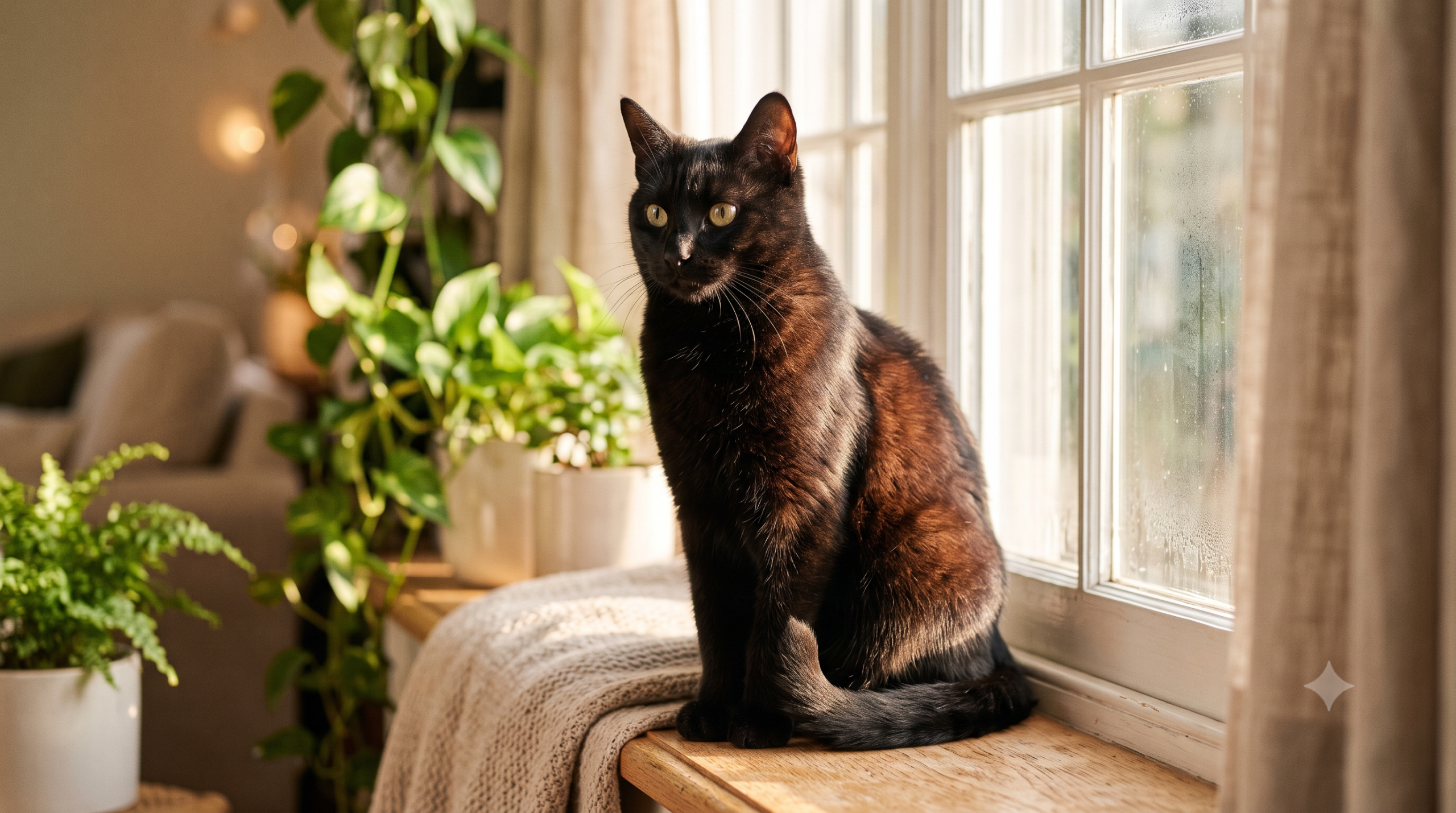
Copper Requirements in Cats: Why Dark Coats Fade First

By Saloni Nagar, Medically Reviewed by Dr. Jimisha Shah, B.V.Sc & A.H., PGDAW Copper is essential for normal pigmentation in cats, but there is no confirmed evidence that dark-coated cats need more dietary copper than lighter-coated cats. Copper supports tyrosinase, a copper-dependent enzyme involved in melanin production. However, that biological role does not prove that a copper … Read more

Why Can’t Cats Taste Sweet Things in Their Food?

why cats cant taste sweet things

By Saloni Nagar, Medically Reviewed by Dr. Jimisha Shah, B.V.Sc & A.H., PGDAW Cats are famous for turning away from foods that humans find irresistible. Offer a lick of frosting, a spoonful of ice cream, or a taste of birthday cake. Most cats will sniff it once and walk away. Dogs, by contrast, may go to great … Read more

Why Cats Can’t Make Vitamin D From Sunlight Like Dogs

By Saloni Nagar, Medically Reviewed by Dr. Jimisha Shah, B.V.Sc & A.H., PGDAW 7-dehydrocholesterol is the compound humans and dogs use to convert UV light into vitamin D3. Cats do not rely on sun exposure for this process. Instead, they must get vitamin D directly from their food. This is a basic biological difference, not a matter … Read more

What to Do If Your Cat Is Obese — Testing, Supplementation, and Monitoring

By Saloni Nagar, Medically Reviewed by Dr. Jimisha Shah, B.V.Sc & A.H., PGDAW Whether an obese cat needs vitamin supplements depends entirely on which specific nutrients are deficient. That can only be determined through veterinary testing, not by symptoms or guesswork alone. Giving fat-soluble vitamin supplements without a confirmed deficiency carries a real toxicity risk because these … Read more

What to Feed an Obese Cat Before Muscle Loss Sets In

By Saloni Nagar, Medically Reviewed by Dr. Jimisha Shah, B.V.Sc & A.H., PGDAW An obese cat needs food that is higher in protein quality, not just protein percentage, along with adequate levels of taurine (an amino acid cats cannot produce enough of on their own), L-carnitine, choline, and fat-soluble vitamins. These nutrients need to be delivered in … Read more

How Obesity Affects Cat Nutrition: A Biological Guide

By Saloni Nagar, Medically Reviewed by Dr. Jimisha Shah, B.V.Sc & A.H., PGDAW If your cat has been carrying extra weight for a while, you may already suspect that being obese and being well-fed are not the same thing. The biological reason for this gap is rarely explained in plain language. Obesity changes a cat’s nutritional requirements … Read more

Why Is My Obese Cat Losing Muscle but Not Weight?

By Saloni Nagar, Medically Reviewed by Dr. Jimisha Shah, B.V.Sc & A.H., PGDAW Yes, obese cats can lose muscle mass even while remaining overweight, and this is not a contradiction. Excess body fat disrupts how a cat’s body uses protein and nutrient signals. As a result, muscle tissue can break down even when food intake appears normal. … Read more

Low Iodine Cat Food: What to Feed and When to Call the Vet

By Saloni Nagar, Medically Reviewed by Dr. Jimisha Shah, B.V.Sc & A.H., PGDAW When something feels wrong with your cat, you want to know what to do next. Maybe she is losing weight even though she eats well. Maybe she seems restless at night, or her coat looks different than usual. These changes can feel worrying, especially … Read more

Prevent Thyroid Problems in Cats With Diet: What the Research Shows

By Saloni Nagar, Medically Reviewed by Dr. Jimisha Shah, B.V.Sc & A.H., PGDAW Most cat owners spend time comparing protein quality, ingredient sourcing, and brand reputation when choosing cat food. Very few think about iodine. It is not a nutrient that appears in pet food marketing, and it rarely comes up during routine veterinary visits until a … Read more