
By Saloni Nagar, Medically Reviewed by Dr. Jimisha Shah, B.V.Sc & A.H., PGDAW
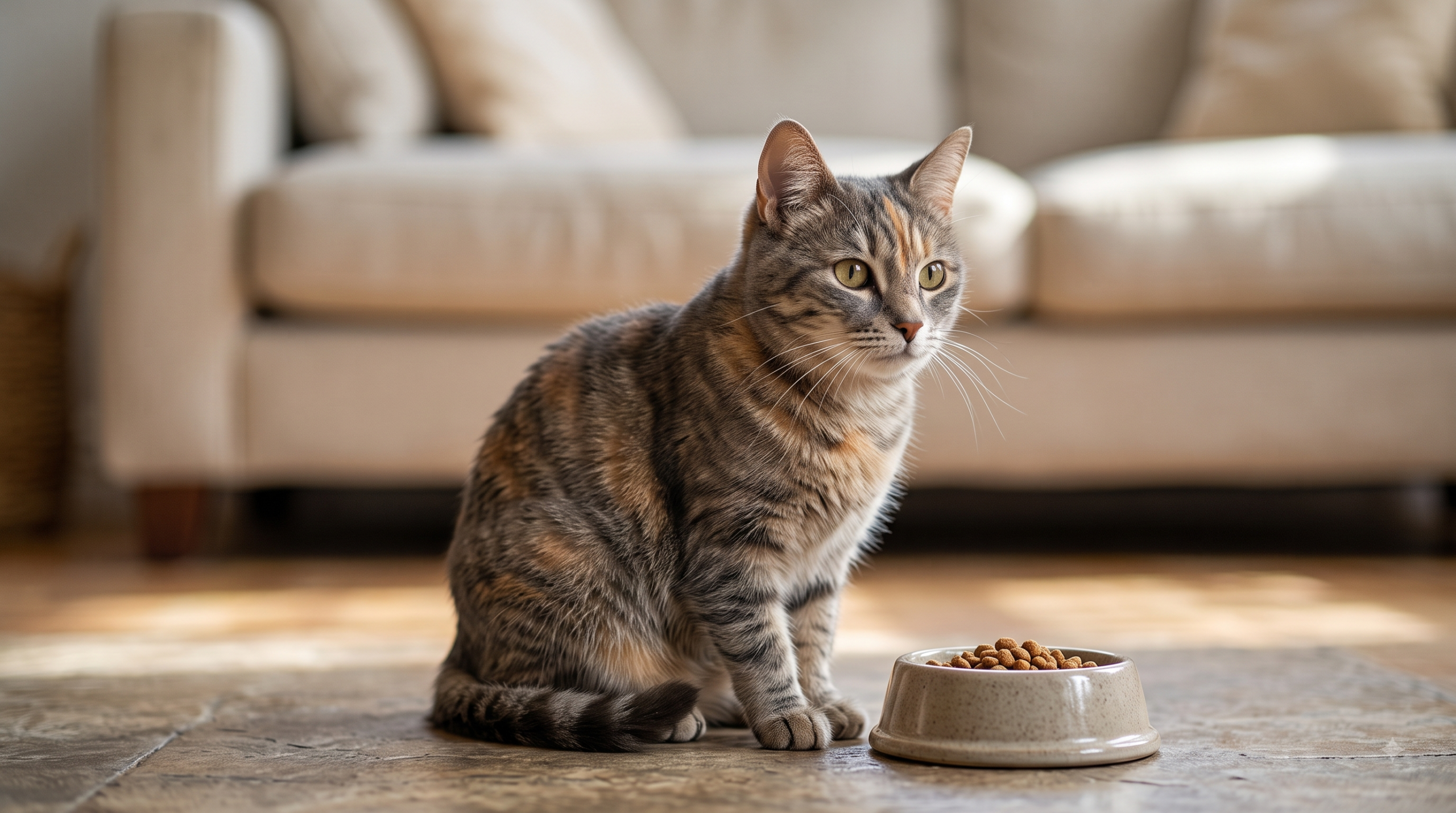
An obese cat needs food that is higher in protein quality, not just protein percentage, along with adequate levels of taurine (an amino acid cats cannot produce enough of on their own), L-carnitine, choline, and fat-soluble vitamins. These nutrients need to be delivered in a format and at a feeding frequency that helps the body use them efficiently. Simply reducing portion size without improving nutrient quality often makes muscle loss worse instead of better. The goal is not just feeding less. It is feeding the right food to preserve lean muscle while gradually reducing excess body fat.
If you have already learned why obesity changes a cat’s nutritional needs, the next step is putting that knowledge into practice. This article does not cover calorie targets or weight-loss plans because those require veterinary guidance. Instead, it focuses on the food choices that matter most for an obese cat.
The article explains what nutrients an overweight cat need, including protein quality, micronutrient density, food format, meal timing, and how age and breed can change these priorities. I cannot afford a veterinary nutritionist but I want to make the best food choice I can right now is a concern many owners share. This guide is written to help with those practical decisions while still encouraging you to work with your veterinarian for advice tailored to your cat.
This article moves through six dietary strategy areas in order. It covers nutrient priorities for obese cats, protein quality, food format and nutrient delivery, feeding frequency and timing, age and breed considerations, and how dietary choices should change during the weight-loss transition.
I noticed her spine when I was stroking her last week and now I cannot unnotice it. Many owners find this article after noticing the same thing. When I pick her up she feels lighter than she looks like most of what I am holding is fat not muscle is another common way owners describe this change.
Often, this realization comes after the vet told me to put her on a diet but did not tell me which food to use. That is a common and understandable frustration. This article is designed to help bridge that gap with practical, evidence-based guidance.
Obese Cats Need More of Certain Key Nutrients
This section explains a basic but important question: what nutrients does an overweight cat need, and why might a standard adult cat food not fully meet those needs? Obesity changes a cat’s physiology, not just its body weight.
The next three sections build on each other. First, they explain the key nutrient categories affected by obesity. Next, they show how vitamin needs can differ between obese and lean cats. Finally, they provide a practical way to identify these priorities when reading a cat food label.
By the end of these sections, you will know what a food should provide before you compare a specific bag or can.
What Nutrients Does an Overweight Cat Need?
What nutrients does an overweight cat need more of than a standard adult food typically provides? If you’ve searched obese cat nutritional requirements different, you’re asking an important question. An obese cat needs more of certain nutrients, not because it eats too little, but because its nutritional needs differ from those of a lean cat in ways that go beyond calories alone.
Veterinary nutrition reviews address this question directly. Do overweight cats need more protein? In practical terms, yes, especially when calorie intake is reduced for weight loss.
So, what nutrients does an overweight cat need most? Several nutrient groups stand out:
- High-quality, highly digestible protein- This helps reduce muscle loss that can occur with obesity and supports lean muscle maintenance. In simple terms, the goal is to protect working muscle while body fat decreases. This is why many owners search for the best protein for obese cats, high protein cat food for overweight cats, or the best cat food to prevent muscle loss.
- Taurine, an amino acid cats cannot make in enough amounts on their own. Cats depend completely on dietary taurine, so factors that increase taurine use make consistent intake more important. Understanding taurine in cat food why it matters can help owners compare foods more effectively.
- L-carnitine, a nutrient that helps move fat into cells where it can be used for energy. Many owners ask L-carnitine in cat food what does it do, especially when choosing foods designed for weight management.
- Choline, a nutrient involved in how the liver processes and exports fat. This becomes particularly important when the body is mobilizing larger amounts of stored fat.
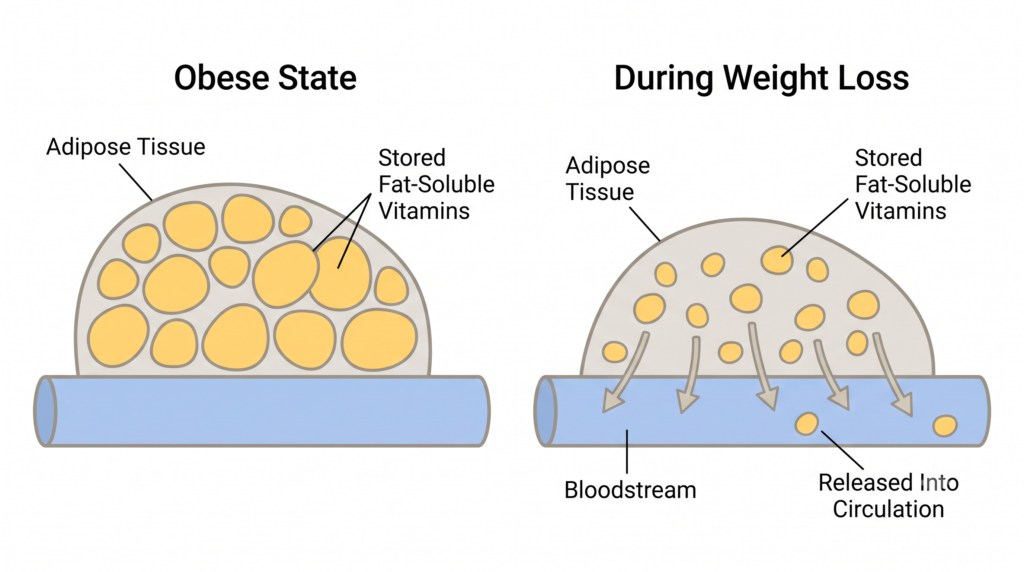
- Fat-soluble vitamins A, D, E, and K. These vitamins dissolve in fat rather than water, which raises questions about how effectively they circulate in a body with excess fat tissue. This relates to common owner concerns such as what vitamins do obese cats need more of, overweight cat needs more vitamins is that true, and what micronutrients are missing in obese cats.
- B vitamins, especially B12 and folate. These water-soluble vitamins support energy metabolism and red blood cell function.
These points are not supplement recommendations. Instead, they are food evaluation criteria. They help answer questions such as what should I look for in cat food overweight cat and do fat cats have different nutritional needs. The focus is on comparing complete foods, not adding nutrients on top of an existing diet.
A food built around these priorities often looks different from a standard weight-management product that focuses mainly on lowering calories.
I did not realize that weight management food often has less protein that seems backwards is a reaction many owners have at this stage, and it is understandable. Some owners switch to a “light” formula and notice their cat loses condition instead of improving. This often happens when calorie reduction receives more attention than muscle support.
Kate experienced this with her Siamese cat, Milo. Milo had eaten a “light” formula for several months, but his muscle tone did not improve. During a routine checkup, the veterinarian noticed that Milo’s ribs felt sharper than expected for his weight. After changing to a food that listed chicken first and included added taurine, Kate noticed that Milo’s coat looked fuller within a few weeks.
Specific nutrient targets should always be discussed with a veterinarian or veterinary nutritionist, especially if a cat has other health conditions. The right nutrient level depends on factors that a food label alone cannot show.
This leads to another important question. Do obese cats have different vitamin needs, or are the differences only small adjustments? The next section explores that topic in more detail.
Do Overweight Cats Need More Vitamins?
Do overweight cats have different vitamin needs than lean cats? Yes, often meaningfully so, and the difference runs in two directions at once. One category of vitamins may need to be delivered in relatively higher amounts through diet, while another category may need more reliable and consistent delivery because the body’s own handling of it can change.
What vitamins do obese cats need more of, specifically? The clearest distinction is between fat-soluble and water-soluble vitamins.
Fat-soluble vitamins (A, D, E, K): Does fat affect vitamin levels in cats? In human and animal research, vitamin availability in the body can be lower than dietary intake would suggest once a body is carrying excess fat tissue. This happens because these vitamins dissolve in fat and can become distributed into fat stores rather than remaining fully available in circulation. To be precise here: this pattern has been documented in human and rodent studies, and the underlying biology of fat-soluble vitamin handling is broadly shared across mammals, but there isn’t extensive cat-specific research confirming the exact degree to which this occurs in obese cats specifically. So, do fat cats absorb vitamins differently than healthy weight cats? The honest answer is that this is a reasonable and cautious extrapolation from other species, not a settled feline finding.
B vitamins (B12, folate, B6): These are water-soluble, so they don’t get stored in fat the same way. The relevant concern here is more about consistent dietary supply than about vitamins being “trapped” anywhere in the body.
What this means in practice: a food that meets only the minimum standard set by AAFCO (the organization that establishes baseline nutrient requirements for pet food) may still leave an obese cat with less circulating availability of certain vitamins than the intake numbers on the label suggest. This is one reason foods with vitamin fortification above the minimum may be a more appropriate starting point for an obese cat specifically.
Overweight cat needs more vitamins is that true? It’s true in the sense described above, though it’s not a uniform rule across every obese cat. A severely obese senior cat likely has a different, generally higher, vitamin delivery requirement than a mildly overweight younger cat, a distinction covered in more depth in the age and breed section later in this article.
It’s worth separating two related but different ideas clearly. This section is about dietary vitamin delivery, what a food provides, not about supplementation, which is a separate decision that belongs in a veterinary conversation and is covered in detail elsewhere in this content series.
If a veterinarian has identified a specific vitamin deficiency through bloodwork or other testing, food selection should be guided by those individual results rather than by these general criteria alone.
Understanding that vitamin delivery may need to be more deliberate in an obese cat’s diet raises a very practical follow-up question: what does that actually look like on a bag or can of food? That’s where the label-reading focus of the next section comes in.
What to Look for in Cat Food Labels?
What micronutrients to prioritize when choosing food for an overweight cat? A handful of specific micronutrients are worth checking for directly on the label or ingredient list, rather than relying on general marketing claims like “weight management” or “light.” These are selection criteria to guide comparison shopping, not dosage instructions.
Do cats with excess body fat need different micronutrients? Yes. Here is a practical, label-focused breakdown of which micronutrients to prioritize on the label:
- Taurine: Look for taurine listed as an added ingredient, not just assumed to be present. Many foods add taurine above the minimum requirement. Taurine is absent from plant protein sources and must be present as an added ingredient in any food an obligate carnivore depends on, meaning a species that requires nutrients found only in animal tissue.
- L-carnitine: Look for L-carnitine directly in the ingredient list. L-carnitine facilitates fatty acid entry into the mitochondria. Without it, stored fat cannot be efficiently converted to energy. Its inclusion often distinguishes a food designed with metabolic support in mind from a standard maintenance formula.
- Choline: Look for choline chloride in the ingredient list. These are sometimes described as hepatoprotective nutrients, meaning nutrients that support the liver’s ability to process and export fat safely, particularly choline and adequate protein, both of which become more critical in obese cats with elevated fat mobilization demand. Choline supports liver fat export by enabling the synthesis of VLDL transport particles. Without adequate choline, dietary fat mobilization can stall inside liver cells.
- Vitamin D: Standard labels often don’t show whether vitamin D is above or at the AAFCO minimum. Checking the guaranteed analysis panel or contacting the manufacturer directly is usually necessary.
- Vitamin E: Look for mixed tocopherols, which serve as both a natural preservative and a source of usable vitamin E.
- B12 (cobalamin): Harder to assess from a standard label, but more likely to be specified on foods from manufacturers who publish a complete vitamin profile.
What should I look for in cat food overweight cat owners are choosing between? Beyond the individual nutrients above, reading the label well means understanding a few practical distinctions covered in full in the next section on protein quality.
Check whether your cat’s current food lists taurine and L-carnitine as added ingredients. If neither appears, the food may not be meeting the elevated needs of an obese cat. When you’re preparing for your next veterinary visit, bring the current food packaging or a photograph of the ingredient list to your next vet appointment. Specific food information helps the veterinarian assess whether the current diet is appropriate.
A veterinary nutritionist can evaluate a specific food’s complete nutrient profile in the context of an individual cat’s health status, particularly relevant for cats with a concurrent condition like kidney disease or diabetes.
The reason obese cats need more of these specific nutrients comes down to how excess body fat actively disrupts their availability at the tissue level, a mechanism explored in more depth in Article 2’s discussion of how excess body fat affects fat-soluble vitamin availability.
Label-Reading Checklist for Micronutrients
Before your next bag or can purchase, here is a simple, item-by-item way to check whether a food actually delivers what an obese cat’s body needs.
What You’re Checking: Micronutrient Delivery on the Label
□ Is taurine listed as a named, added ingredient (not just assumed from the meat content)?
□ Is L-carnitine listed in the ingredient list (sometimes shown as L-carnitine tartrate)?
□ Is choline chloride listed in the ingredient list?
□ Does the guaranteed analysis panel show a vitamin D level, and is it above the AAFCO minimum (contact the manufacturer if this isn’t listed)?
□ Are mixed tocopherols listed, indicating a natural vitamin E source and preservative?
□ Is vitamin B12 (cobalamin) specifically named anywhere on the label or in manufacturer materials?
□ Is a named animal protein (chicken, turkey, salmon, duck, beef, or rabbit) listed among the first three ingredients?
□ Have you checked the moisture percentage on the guaranteed analysis panel to know whether this is a wet or dry format?
Protein Quality Matters More Than Protein Percentage
Having established which nutrients matter most and how to spot them on a label, this section focuses on the factor that may matter most in an obese cat’s diet: protein. More importantly, it explains why protein quality matters more than protein percentage alone.
I spent a lot of money on a grain-free food, and I still cannot see any difference in her muscle tone is a frustration many owners share. This section addresses that exact concern by explaining why muscle health depends on more than the marketing claims on a food package.
The next three sections build on each other. First, they explain why protein quality matters more than quantity. Next, they show you how to read a food label with that in mind. Finally, they bring both ideas together to help you choose a food that supports muscle while your cat loses excess fat.
Protein Quality Matters More Than Protein Percentage?
Is protein percentage important in cat food? Less than most owners assume. The protein percentage on a cat food label is only one part of the picture. For an obese cat, protein quality and digestibility matter more than the number alone. The best protein for obese cats is not simply the food with the highest protein percentage. A food that advertises 40% protein is not automatically better than one with 32% if your cat cannot fully digest and use that protein.
I switched to a weight management food and she seemed to get worse not better is an experience many owners share. It often leads to another realization: I did not realize that weight management food often has less protein that seems backwards. Both concerns point to the same issue. Protein quality matters just as much as protein quantity when protecting muscle during weight management.
Protein digestibility determines how much of what a cat eats actually becomes available to muscle tissue. This is why protein quality matters more than protein percentage. When comparing foods, focus on three key factors:
- Amino acid completeness-This means the protein provides all the essential amino acids cats need, including taurine, lysine, methionine, and arginine. Cats cannot make enough of these amino acids on their own and must get them from animal-based protein. This reflects the obligate carnivore amino acid profile, which plant protein sources cannot fully match.
- Digestibility- This refers to how much of the protein is broken down and absorbed after it reaches the digestive tract. Not all protein sources are equally digestible. If you have ever wondered cat food digestibility what does it mean, this is the answer. Unfortunately, food labels rarely provide this information.
- Amino acid bioavailability-This describes how much of the absorbed protein actually reaches the muscles instead of being used for basic energy needs. Higher-quality proteins generally provide better amino acid bioavailability, making more amino acids available for muscle maintenance.
Foods marketed as high protein cat food for overweight cats often share one important feature. They list named animal proteins, such as chicken, turkey, salmon, duck, or beef, among the first one to three ingredients. These foods rely less on plant protein concentrates, generic protein meals, or by-product meals.
The ideal choice combines a good protein percentage with high protein quality. If you have to choose between the two, quality is usually more important for an obese cat because it has a greater impact on preserving muscle.
Cats with conditions such as kidney disease may need a different protein level. For these cats, a veterinarian should guide dietary decisions. Higher protein is not appropriate for every cat, so avoid changing your cat’s diet without professional advice.
Protein Source Quality Comparison
Not all protein sources behave the same way once they reach your cat’s gut, so here is a side-by-side look at how common sources actually compare.
| Protein Source | Typical Digestibility | Amino Acid Completeness for Cats | Common Position on Ingredient Lists |
|---|---|---|---|
| Named muscle meat (chicken, turkey, salmon, duck, beef) | High | Complete — provides all essential amino acids including taurine precursors, methionine, and arginine | Usually listed first when it’s the primary protein source |
| Named meat meal (chicken meal, turkey meal) | Moderate to high | Complete, though slightly more variable depending on processing | Often listed first or second; a concentrated source, not automatically a lower-quality one |
| Egg product | High | Complete — considered one of the most bioavailable protein references in nutrition science | Usually a secondary ingredient, rarely the primary protein source |
| Fish meal | Moderate to high | Complete, though quality varies more by processing method than other meat meals | Common secondary ingredient, sometimes primary in fish-based formulas |
| Corn gluten meal | Low to moderate | Incomplete — low in lysine and deficient in taurine | Frequently appears among the first few ingredients in lower-cost dry foods |
| Pea protein / pea protein concentrate | Low to moderate | Incomplete — lacks adequate taurine and methionine for a cat’s needs | Common in grain-free formulas, often appears in the first five ingredients |
| Potato protein | Low | Incomplete — minimal essential amino acid contribution relevant to feline needs | Occasionally used as a secondary protein booster in grain-free formulas |
How to use this table: Check the first three to five ingredients on your cat’s current food against this list. A food built mainly around the top rows (named meat, meat meal, egg, fish meal) is generally delivering more usable protein than one relying on the bottom rows (corn gluten, pea protein, potato protein), even if the crude protein percentage on the front of the bag looks similar.
How to Read Cat Food Labels for Protein?
I thought the protein percentage on the label was all I needed to look at is something many cat owners say. The truth is that how to read cat food label for protein involves looking beyond the protein percentage alone.
Step 1: Check the ingredient list order. The first three to five ingredients make up most of the food before processing. The first ingredient on her food says chicken but I have no idea if that actually means anything is a very common concern among cat owners.
Here’s the practical answer. Named animal proteins provide a more complete essential amino acid profile for cats than plant-derived protein concentrates. A named animal protein such as chicken, salmon, turkey, beef, duck, or rabbit listed first is a good sign. “Chicken meal” is also a concentrated protein source and is generally acceptable. However, pay attention if it appears after several plant proteins. Ingredients such as corn gluten meal, pea protein, or potato protein listed as the main protein sources usually provide less complete amino acid profiles.
Step 2: Convert the protein to a dry matter basis. The dry matter basis calculates protein after removing moisture. It is the only accurate way to compare protein levels between wet and dry foods because moisture content varies greatly.
If the guaranteed analysis panel lists protein on an as-fed basis, which is standard, use this formula:
Protein % ÷ (100 − Moisture %) × 100
Convert your cat’s food protein percentage to a dry matter basis before comparing wet and dry foods. As-fed comparisons between different food formats are misleading.
What does crude protein mean cat food? Crude protein is the value shown on most cat food labels. It measures the total amount of protein but does not tell you how digestible or usable that protein is.
Cat food digestibility what does it mean? A food can list a high crude protein percentage yet provide less usable protein than another food with a lower percentage but higher-quality protein sources.
Step 3: Check for taurine and L-carnitine in the ingredient list– Taurine in cat food why it matters comes back to supporting the unique nutritional needs of cats. Both taurine and L-carnitine should appear as specifically added ingredients. L-carnitine may also appear as L-carnitine tartrate.
L-carnitine in cat food what does it do? Its presence, along with added taurine, suggests the manufacturer designed the food to provide metabolic support instead of simply meeting a general adult maintenance standard.
Step 4: Contact the manufacturer if needed. Ask for the protein digestibility values of the ingredients used. You can also request the complete amino acid profile if the company makes it available.
Most pet food labels do not include digestibility information. You usually need to contact the manufacturer directly or review published feeding trial data to obtain these details.
These simple label-reading steps can help you identify foods with higher-quality protein for an obese cat, even when several products look almost identical on the store shelf or online.
Dry Matter Conversion Reference Chart
Since converting protein percentages by hand is easy to get wrong, here are common examples you can match your own label against.
| Food Type (Typical Moisture) | As-Fed Protein % (from label) | Moisture % (from label) | Dry Matter Protein % (calculated) |
|---|---|---|---|
| Dry kibble (10% moisture) | 32% | 10% | 35.6% |
| Semi-moist food (35% moisture) | 26% | 35% | 40.0% |
| Wet/canned food (78% moisture) | 10% | 78% | 45.5% |
| Wet/canned food (82% moisture) | 8% | 82% | 44.4% |
| Fresh/raw-style food (70% moisture) | 15% | 70% | 50.0% |
How to use this chart: Find the moisture percentage on your own cat’s food label (listed in the guaranteed analysis panel), locate the closest row above, and compare the pattern. To calculate your exact food’s number: protein % ÷ (100 − moisture %) × 100.
Why this matters: As the chart shows, a wet food listing only 10% protein “as-fed” can actually deliver more usable protein per gram of dry matter than a dry food listing 32%. Comparing foods only by the number printed on the front of the bag, without adjusting for moisture, is one of the most common label-reading mistakes owners make.
What to Feed a Cat to Keep Muscle?
What should I feed my fat cat so she does not lose muscle mass? Bringing together the ideas from the previous two sections, here is a practical checklist for choosing the right food. If your goal is deciding what to feed fat cat to keep muscle, these are the features that matter most.
- A named animal protein listed as the first ingredient (chicken, turkey, salmon, duck, beef, or rabbit)
- Taurine listed as an added ingredient
- L-carnitine listed as an added ingredient
- Limited or no reliance on plant protein concentrates (pea protein, corn gluten, or potato protein) as the primary protein source
- A dry matter basis protein percentage that a veterinarian or veterinary nutritionist has confirmed is appropriate for your cat’s specific needs
Best cat food to prevent muscle loss and the best food for overweight cat to keep muscle both point to the same basic criteria.
Many foods marketed as “weight management” or “light” formulas reduce protein along with calories. That can work against a cat that is already losing muscle instead of just losing fat. Foods promoted for “muscle support,” “lean body mass,” or added L-carnitine may offer a better starting point.
She used to jump to the top of the cat tree every morning and now she does not even attempt it. This type of change often makes muscle preservation feel more urgent than the number on the scale. What to feed fat cat to keep muscle matters not only for body composition but also for mobility and overall quality of life.
Ask your veterinarian whether the protein level in your cat’s current food matches your cat’s muscle condition score, not just body weight. Those two measurements can tell very different stories.
What to feed an obese cat to prevent muscle loss also means making changes gradually. Introduce any new food slowly to reduce digestive upset. A sudden refusal to eat is especially risky for an overweight cat, and this article explains that risk in more detail later. Cats with kidney disease, diabetes, pancreatitis, or inflammatory bowel disease need a diet planned with veterinary guidance.
Protein quality is only one part of the picture. The form that protein comes in, wet or dry, can also influence how well an obese cat uses those nutrients. That is exactly what the next section explores.
Vet Conversation Guide on Muscle Preservation
Once you have a food in mind, here are a few specific questions worth bringing to your next veterinary visit to confirm it’s the right fit.
Questions to Ask About Muscle Preservation
- Can you check my cat’s muscle condition score, not just her weight or body condition score, so I know whether muscle loss is actually a concern right now?
- Based on her current muscle condition, is the protein level in her current food appropriate, or should I be looking for something higher in protein density?
- Does her ideal protein level change if she has any other condition, like kidney disease, diabetes, or pancreatitis, that I should factor into food selection?
- Is the dry matter protein percentage of this specific food (bring the packaging or a photo of the label) appropriate for her situation?
- Are there any signs I should watch for at home that would tell you the current food isn’t supporting her muscle the way it should?
- If we do switch foods, how gradually should we transition given her weight, and what should I watch for if she hesitates to eat it?
- How often should we recheck her muscle condition score to see whether the current approach is working?
Food Format Affects How Cats Absorb Nutrients
Protein quality is only one part of choosing the right food for an obese cat. Food format, wet or dry, is another important factor, and it works closely with everything covered in the previous section. This section explains why the higher moisture content of wet food matters beyond hydration, how it supports kidney function and nutrient transport, and how food format fits into a practical feeding approach designed to help protect muscle during weight loss.
Is Wet Food Better for Overweight Cats?
Is wet food better for overweight cats? Food format affects more than calorie density. It also affects how nutrients move through an obese cat’s body after digestion. Many owners ask about wet food vs dry food for obese cats, and the answer comes down to a few consistent differences.
Many owners also ask, “Why is wet food better for cats? One reason is that wet food delivers nutrients in a hydrated matrix that more closely resembles the moisture content of natural prey, supporting the aqueous environment that nutrient transport requires. Veterinary nutrition guidance often highlights the following reasons:
Moisture and nutrient transport: Nutrients travel through the bloodstream and lymphatic system in an aqueous, or water-based, environment. Cats that eat mostly dry food are often mildly but chronically underhydrated compared with cats that eat wet food.
Protein source and processing: Wet foods often use whole or minimally processed meat ingredients. These protein sources are usually more digestible than the heavily rendered meals found in many dry foods. This supports the protein quality principles discussed in the previous section.
Lower carbohydrate content: Wet foods generally contain fewer carbohydrates than dry foods. Lower dietary carbohydrate load reduces the glycemic burden on an insulin signaling system already impaired by obesity. Veterinary nutrition research has long shown that cats are adapted to higher-protein, lower-carbohydrate diets. Their obligate carnivore amino acid profile helps explain why.
Palatability and satiety– Many owners ask, “Does wet food help cats lose weight?”Not by itself. However, wet food’s higher moisture content, texture, and aroma may help cats feel fuller, even when they eat fewer calories.
Many owners also wonder, “Does food format affect nutrient absorption in cats?”Yes. Food format can influence nutrient absorption in the ways described above. However, wet food is not automatically better in every situation. Some dry foods also provide excellent protein quality and appropriate nutrient profiles.
Is Wet Food Better for Overweight Cats?
Many owners wonder about moisture in cat food, why it matters and whether it affects more than hydration alone. The answer is yes. Moisture can influence nutrient transport, hydration status, and how efficiently the body handles metabolic waste.
Obese cats often produce more metabolic waste than lean cats. Their kidneys must filter and remove that waste. If a cat is mildly dehydrated over time, which is common in cats eating mostly dry food, the kidneys have to work harder
Research also shows that protein digestibility determines how much of what a cat eats actually becomes available to muscle tissue. At the same time, chronic mild dehydration impairs the fluid volume available for amino acid transport, meaning muscle cells may receive less protein building material even when dietary protein is adequate.
Moisture also supports nutrient delivery throughout the body. Water-soluble vitamins, including the B vitamins discussed earlier, need water for absorption and transport. Amino acids also travel through the bloodstream in solution, so good hydration helps deliver them to muscle cells.
Samuel noticed this with his Ragdoll, Bella. She drank very little water and ate mostly dry kibble. While checking her food label one evening, he saw the moisture content was below 10%. He started mixing warm water into her meals each day. Within two weeks, Bella seemed less tired during the afternoons.
Many owners make a similar observation. I started adding warm water to her kibble and she suddenly seems more interested in food and less food-obsessed between meals. While this is anecdotal, it supports the broader idea that moisture affects more than food texture alone.
In practical terms, switching obese cat to wet food should happen gradually. If your cat currently eats mostly dry food, slowly increasing wet food or adding water to dry food may support better hydration, improve nutrient transport, and help the kidneys clear metabolic waste more efficiently.
Cats with existing kidney disease need an individualized diet. The general guidance above does not replace veterinary nutrition advice for cats with chronic kidney disease.
What Foods Help an Obese Cat Keep Muscle?
Switching obese cat to wet food and making other food format changes requires a step-by-step approach. The goal is to improve nutrient quality while protecting muscle during weight loss.
Priority 1: Improve protein source quality first
Moving from a food built mainly around plant proteins or generic meals to one that uses named animal proteins is usually the most impactful change you can make through food selection alone.
Priority 2: Increase the proportion of wet food
If your cat currently eats only dry food, gradually adding more wet food over two to four weeks is a reasonable general approach. A slow transition can help your cat adjust while reducing the chance of food refusal.
Priority 3: Check for taurine and L-carnitine in the current food
Make sure the ingredient list includes both nutrients. taurine in cat food why it matters and L-carnitine in cat food what does it do both connect back to the metabolic support discussed earlier.
Priority 4: Check for choline
Choline is another nutrient worth checking because it supports normal liver fat processing during weight loss.
Many owners worry about food transitions. Every time I transition her food she refuses to eat for a day and I panic is a real concern, not an overreaction.
Transition any new food slowly over a minimum of seven to ten days. Obese cats have a higher risk of anorexia during food changes, and even a short period without eating can trigger hepatic lipidosis, a serious liver condition that can occur when an overweight cat stops eating.
This is the most important safety point in this section. A successful diet change is not only about choosing better food. It is also about making sure your cat continues eating throughout the process.
It is also important to set realistic expectations. Changes in muscle condition usually take time to become noticeable.
Track changes in coat quality, energy level, and movement confidence within four to eight weeks of a dietary switch. These are some of the earliest visible signs that nutrient delivery may be improving.
Her coat started looking better within three weeks of switching foods and that gave me confidence something was working is a common positive change some owners notice even earlier.
Take photos of your cat from the same angle and in similar lighting every two weeks during a diet transition. These images can help you see whether body composition is moving in the right direction.
Any dietary change for an obese cat with another health condition should be reviewed with a veterinarian before starting.
Food format affects how nutrients reach the bloodstream. However, another important question is how much of those nutrients the body actually absorbs after digestion.
That topic connects to gut health and nutrient absorption, which is explored in greater depth in Article 2.
Food Transition Safety Checklist
Before you start switching your cat’s food, here is a simple list to walk through so the transition goes as smoothly as possible.
Before and During a Food Transition
□ Plan to transition gradually over a minimum of seven to ten days, mixing increasing amounts of the new food with the old.
□ Confirm your cat is eating normally on day one of the transition, not just accepting the food but actually finishing meals.
□ Watch for any refusal to eat the new food and note how long it lasts.
□ Contact your veterinarian if your cat refuses the new food for more than twenty-four hours, rather than waiting to see if it resolves on its own.
□ Note your cat’s coat quality at the start of the transition, so you have a baseline to compare against later.
□ Note your cat’s general energy level at the start of the transition, for the same reason.
□ Photograph your cat from the same angle and in the same lighting on day one, before starting the transition.
□ Repeat that same photograph every two weeks throughout the transition, to help track whether body composition is shifting.
□ At four to eight weeks, check back on coat quality, energy level, and gait confidence for the earliest visible signs the new food may be helping.
What Foods Help an Obese Cat Keep Muscle
What an obese cat eats matters, but when and how often they eat also plays an important role. This section explains why protein timing matters, how meal spacing affects nutrient use, and how to structure higher-protein meals without encouraging overeating.
How Often Should I Feed My Cat?
How many times a day should I feed my obese cat? The answer depends on more than just the number of meals. Meal timing also affects how a cat uses dietary protein. When a cat eats protein can influence muscle maintenance, not only the total amount of protein consumed each day.
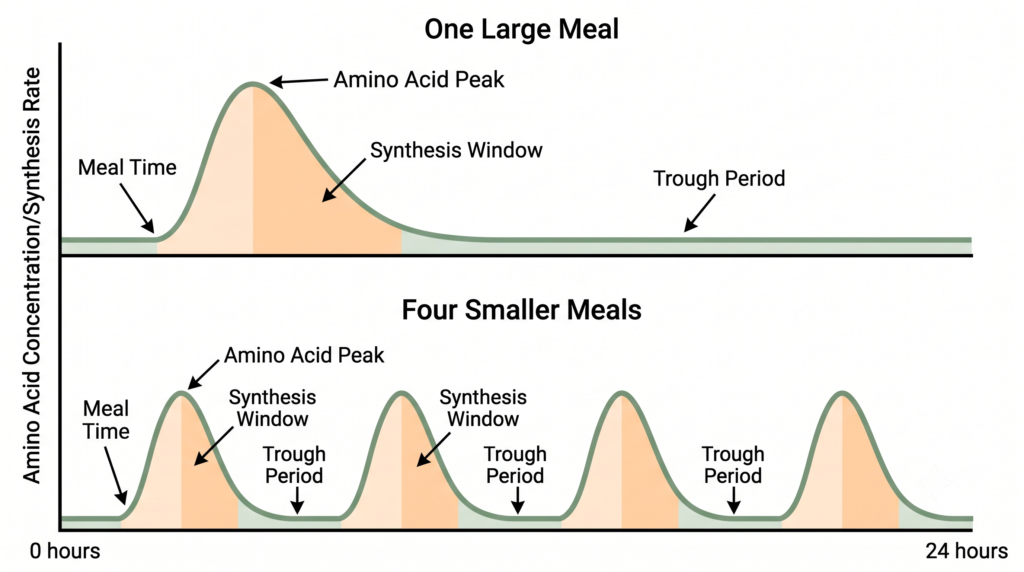
Each meal creates a rise in circulating amino acids. During this period, muscle protein synthesis is most active. Spacing meals throughout the day can create more opportunities for muscle cells to use available amino acids.
This period is often called the muscle protein synthesis window. It refers to the time after a protein-containing meal when amino acids are readily available for muscle repair and maintenance. This window gradually closes within a few hours after eating.
For an obese cat, this process may matter even more. Excess body fat can sometimes reduce the body’s response to dietary protein, making efficient protein use more important for maintaining lean muscle.
Many owners ask, “if we do free feeding to obese cat is it bad?” Free feeding can make it harder to create clear meal patterns that support muscle maintenance.
Free feeding obese cat bad? It can reduce the effectiveness of this process. Free-feeding does not create clear amino acid availability peaks because food remains available continuously in small amounts. This may provide less of a muscle-building signal than structured meals.
Many owners worry about changing a lifelong routine. I have been free-feeding her her whole life and I am not sure how to change that without causing a crisis is a common concern. A gradual transition is usually easier and should be discussed with your veterinarian, especially if your cat has insulin resistance or diabetes risk.
The best feeding schedule depends on your cat’s health, activity level, calorie needs, and body condition. Work with your veterinarian to decide the right number of meals and portion sizes instead of following a fixed rule.
Should I Feed My Cat Multiple Small Meals?
Many cat owners ask, should I feed an obese cat multiple small meals, especially when trying to protect muscle while reducing body fat? Yes, feeding an obese cat multiple small meals can help support muscle maintenance during weight loss.
Muscle maintenance is most responsive during the peak phase when amino acids are readily available. Creating three to four protein availability peaks throughout the day gives an obese cat’s less responsive muscle-maintenance system more opportunities to respond.
Each meal creates a muscle protein synthesis window where muscle cells can use available amino acids more effectively. The amino acid availability window closes several hours after each meal, so long gaps between feedings may increase the risk that the body uses muscle protein for energy.
Meal spacing matters, not just meal count. Meals spaced too closely together, such as less than three to four hours apart, may reduce the effect of the next meal. Meals spaced too far apart, such as more than eight hours apart, can create a longer gap without a protein stimulus.
A general target of three to four meals spaced around four to six hours apart can help balance both concerns. This approach creates repeated protein utilization periods without feeding so frequently that each meal loses its impact.
This is sometimes described as a chronobiological feeding strategy. It focuses on working with the body’s natural amino acid utilization rhythms by spacing protein-containing meals to create multiple muscle-supporting periods instead of one large feeding.
You should weigh your cat’s food portions initially rather than estimating. Visual portions are often inaccurate, and portion accuracy matters more when following a structured multiple-meal strategy.
This level of scheduling precision is most relevant for an obese cat that is actively being managed for weight loss and muscle preservation. A cat at a healthy maintenance weight usually does not need this same degree of feeding structure.
How to Stop My Cat From Overeating?
Feeding a high protein diet to an obese cat without triggering overeating requires balancing protein needs with portion control and meal structure. Many owners ask how to feed high protein diet to obese cat because their cat may still act hungry after meals. This includes situations where obese cat always hungry after eating becomes a frustrating and common pattern.
Some owners say, I give her three small meals and she cries for food within an hour of each one. Others notice that she inhales her food in thirty seconds and then acts like she has not eaten at all. These behaviors can make weight management feel challenging, but a few practical strategies can help.
Start by dividing portions instead of increasing them. Take the existing daily food amount and split it into three to four portions rather than feeding the same total amount in only one or two meals.
Choose a higher protein density per portion when appropriate. If the total daily food amount stays the same, a food with more protein per gram can help each smaller meal provide a meaningful amount of usable protein.
A puzzle feeder for overweight cat use can also help slow eating. A puzzle feeder or slow feeder bowl extends meal duration for an obese cat that eats too quickly. Eating pace affects satiety signals, and a cat that eats more slowly may feel more satisfied from the same portion.
This approach can also help answer how to stop obese cat from overeating. Slower eating gives the body more time to respond to food intake and may reduce the urge to continue searching for food immediately after a meal.
Keep meal timing consistent. Some owners report, I tried splitting her food into four meals and now she wakes me up at 5 am demanding breakfast. A predictable feeding schedule, rather than responding to early demands, often helps cats adjust over time.
If you have multiple cats, consider a microchip-activated or timed feeder. This allows the obese cat’s structured meal plan to continue without limiting access for other cats in the household.
Introduce any feeding schedule change gradually. If a cat continues showing extreme hunger, distress, or persistent food-seeking behavior despite structured feeding, discuss it directly with your veterinarian.
Feeding frequency is a strategy you can manage at home. However, if muscle loss continues despite these changes, monitoring tools can help show whether the approach is supporting healthy body composition.
Age and Breed Change What a Cat Needs
Everything discussed so far applies broadly to obese cats. However, age and breed can change how these nutritional priorities should be applied for each cat.
This section explains how aging changes nutritional needs on its own, what that means for an obese senior cat’s food, and how specific breed traits can further influence dietary considerations.
Why Do Senior Cats Need More Protein?
Senior cat obesity nutrition is different from younger-cat obesity because aging adds another layer of muscle and nutrient challenges. Many owners ask, do older cats need more protein, and the general answer is yes. Senior cats may need higher protein intake to help maintain lean muscle as they age.
According to nutritional guidelines from the American Animal Hospital Association, senior cats can experience a meaningful loss of lean body mass with age. This condition is sometimes called sarcopenia and may require more dietary protein to slow or support muscle maintenance.
Age-related anabolic resistance means senior cats need more dietary protein than younger cats to achieve the same muscle maintenance outcome. Aging can make it harder for the body to respond to protein in the same way as it did when the cat was younger.
Digestive efficiency also declines with age. Senior cats may absorb protein and fat-soluble nutrients less effectively from the same food compared with younger cats. Research in veterinary nutrition shows that protein and fat digestibility decline in a meaningful proportion of senior cats.
Olivia’s Norwegian Forest Cat, Frost, was 11 years old and started acting weaker on the stairs while still carrying extra weight. During a checkup, her veterinarian noticed less muscle along his spine than expected for his body size.
Olivia changed Frost’s diet to a food with a named animal protein listed first. Within two months, Frost was climbing the stairs with more confidence.
Many owners relate to concerns like, she is 12 years old and already stiff in the mornings — adding obesity on top of aging feels like a lot to manage. Aging and obesity together can make nutrition decisions feel more complicated.
Why does my old obese cat keep losing weight despite carrying excess fat? This can happen when age-related and obesity-related muscle loss occur together. A cat may lose lean muscle while still carrying excess fat tissue, even if body weight stays stable or decreases only slightly.
This pattern does not always mean the weight problem is improving. It is worth discussing directly with a veterinarian rather than assuming the cat is losing weight in a healthy way.
Senior obese cats are a group where veterinary nutritional assessment is especially important. Careful evaluation can help determine whether the current diet is supporting muscle preservation and overall health.
What to Feed an Overweight Senior Cat?
What overweight senior cat owners choose to feed should focus on maintaining muscle, supporting nutrient needs, and considering age-related changes. A senior obese cat often needs a different balance than a younger obese cat because aging and obesity create combined challenges.
Protein is one of the highest priorities. A senior obese cat generally needs a higher protein density because age-related changes and obesity-related muscle loss can affect how the body maintains lean tissue.
Fat-soluble vitamins also become more important with age. Reliable dietary delivery of vitamin D and vitamin A may matter more as the body’s ability to absorb nutrients becomes less efficient.
Taurine and L-carnitine remain essential throughout a cat’s life. These nutrients continue to support normal body functions at every life stage.
Phosphorus requires a more careful approach in some senior cats. Some older cats develop early kidney changes that may require closer phosphorus management. This can create a challenge because higher protein needs and phosphorus control may need to be balanced with veterinary guidance based on bloodwork.
For an obese senior cat losing muscle, what to feed, the focus should be on protein quality and digestibility. A senior cat’s body may not extract the same amount of nutrients from food as effectively as it once did.
Choosing the best cat food for an overweight senior cat can be challenging because many foods focus on either age or obesity, but not both together. A senior obese cat may need a diet approach that considers both concerns at the same time.
If your senior obese cat’s body condition and muscle condition continue to worsen despite dietary changes within six to eight weeks, discuss a referral to a veterinary nutritionist with your veterinarian.
Senior vs Younger Obese Cat Priority Matrix
To see exactly how priorities shift with age, here is a side-by-side comparison of what matters most for a younger obese cat versus a senior one.
| Nutrient Category | Younger Obese Cat Priority | Senior Obese Cat Priority | Why the Difference |
|---|---|---|---|
| Protein density | Elevated, to counteract obesity-related muscle breakdown | Higher still, since age-related muscle loss compounds with obesity-related muscle loss | Senior cats generally need more dietary protein than younger cats to achieve the same muscle-maintenance effect |
| Protein digestibility | Important, but a wider range of quality sources may still work reasonably well | Critical, since digestive efficiency for protein and fat can decline with age | A senior cat’s body extracts less usable protein from the same food than it once did, so source quality matters more |
| Fat-soluble vitamins (A, D, E, K) | Worth checking, particularly given fat-tissue distribution effects | Higher priority, as absorptive efficiency may decline further with age on top of obesity-related factors | Reliable dietary delivery becomes more important as the body’s own absorption becomes less consistent |
| Taurine and L-carnitine | Essential at every life stage, no change with age | Essential at every life stage, no change with age | Neither nutrient becomes less important with age; this priority stays constant across life stages |
| Phosphorus | Generally not a specific concern absent a diagnosed condition | Requires a measured approach if early kidney changes are present, creating tension with elevated protein needs | This is the most complex trade-off in senior nutrition and requires veterinary guidance informed by bloodwork, not label reading alone |
How to use this table: If your cat is under roughly 7 years old, the “Younger Obese Cat” column reflects the general priorities discussed throughout this article. If your cat is a senior, the right-hand column shows where the emphasis shifts, and the phosphorus row in particular is worth raising directly with your veterinarian rather than adjusting on your own.
Does My Cat’s Breed Affect Its Diet?
When owners search for Breed-specific food for obese cat reflects a real concern, but breed traits should be viewed as risk factors rather than automatic diet rules. Certain breeds carry genetic differences that can affect metabolism, heart structure, fat processing, or insulin response. These differences can change how obesity interacts with an individual cat’s nutritional needs.
Burmese cat diabetes risk diet considerations are supported by research showing a higher diabetes risk in some Burmese cat populations. Studies have found an increased risk specifically in Burmese cats bred in Australia, the United Kingdom, and New Zealand, which appears linked to a genetic founder effect in those populations.
Burmese cats bred in the United States have not shown the same elevated diabetes risk in available research. For an obese Burmese cat from an at-risk lineage, protein and carbohydrate balance may deserve closer attention. This is a topic worth discussing directly with a veterinarian.
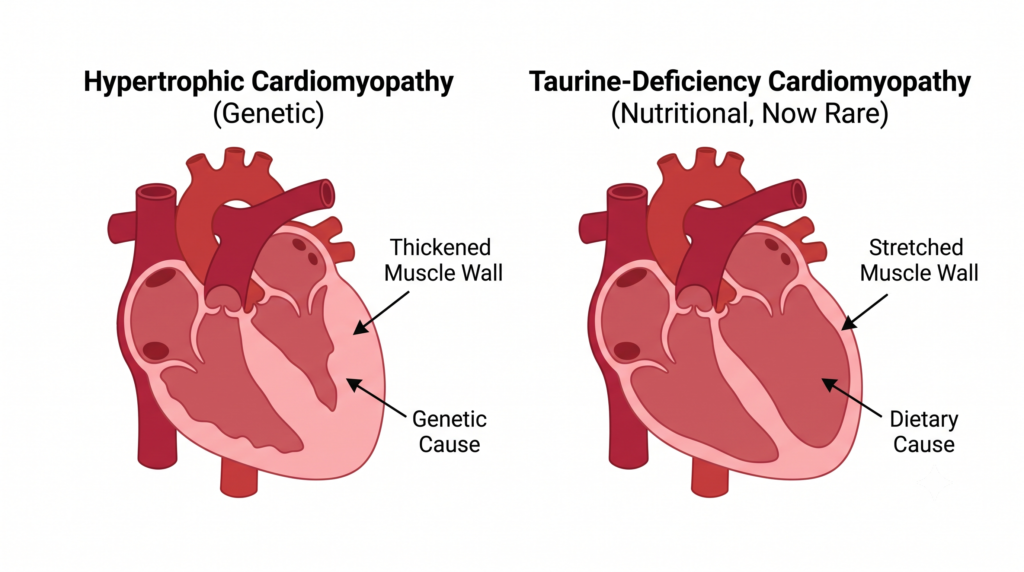
Some breeds, including Maine Coons and Ragdolls, carry documented genetic mutations linked to hypertrophic cardiomyopathy (HCM). HCM is a structural heart condition where the heart muscle becomes thicker.
It is important to understand that breed-associated HCM has a different cause from taurine-deficiency heart disease. HCM in these breeds is genetically driven and is not caused or prevented by diet.
Taurine remains an important nutrient to check in any obese cat’s food. However, it should not be presented as a way to prevent breed-specific HCM because these conditions develop through different mechanisms.
Mixed-breed cats may carry genetic traits from multiple breed backgrounds. This makes breed-specific guidance less exact, but breed history can still provide useful risk information.
When considering breed-specific food for obese cat, owners often look for, the goal should be understanding individual health risks rather than assuming every cat of a breed needs the same diet.
Breed Risk Factor Reference Chart
Because breed matters differently depending on the specific risk involved, here is a summary of what has actually been documented across a few commonly owned breeds.
| Breed | Relevant Condition | Level of Documented Evidence | Dietary Relevance |
|---|---|---|---|
| Burmese (Australian/UK/NZ lines) | Type 2 diabetes predisposition | Well-documented — peer-reviewed studies show a roughly fourfold to fivefold increased risk in these specific lineages | Diet is directly relevant here — protein and carbohydrate content may reasonably be weighted differently for an obese cat from an at-risk lineage, in consultation with a vet |
| Maine Coon | Hypertrophic cardiomyopathy (HCM), a genetic, structural heart condition | Well-documented — linked to a specific breed-associated gene mutation | Diet is not the relevant factor for this specific risk; taurine remains important for general nutrition but does not address the genetic mutation. Cardiac screening through a veterinarian is the relevant action here |
| Ragdoll | Hypertrophic cardiomyopathy (HCM), the same genetic mutation category as Maine Coons | Well-documented — linked to a related breed-associated gene mutation | Same as above: diet does not address the genetic cause; cardiac screening is the relevant action, not a dietary change |
| Persian | Polycystic kidney disease (PKD) | Well-documented — a known breed predisposition, particularly relevant in senior cats | Diet becomes relevant if PKD is diagnosed, since phosphorus management may need to be adjusted, in consultation with a veterinarian who has bloodwork results |
| Mixed-breed | Any of the above, depending on ancestry | Less predictable — mixed ancestry makes breed-specific risk harder to apply precisely | General obesity-related dietary priorities apply; breed-specific risk is a general indicator only, not a certainty either way |
How to use this table: Find your cat’s breed (or the closest match if mixed-breed) and check what’s actually documented for that breed specifically. Notice that for Maine Coons and Ragdolls, the relevant action is veterinary cardiac screening, not a dietary adjustment, since HCM in these breeds is a structural condition unrelated to what’s in the food bowl.
Does My Cat’s Breed Affect Its Diet?
If you have an obese Maine Coon nutrition starts with an important distinction. Many owners ask, Do Maine Coons need more taurine? Not specifically because of their breed-associated genetic risk for hypertrophic cardiomyopathy (HCM). This cardiac risk develops independently of diet. The important step is the same taurine ingredient check that applies to every obese cat, regardless of breed.
Many owners say, ” My Maine Coon is enormous even by Maine Coon standards, and I genuinely cannot tell if she is obese or just a large cat. This is a common and understandable concern with this breed. Body condition scoring, which checks fat coverage by feeling the body, is more reliable than body size or weight alone.
Routine veterinary care should also include discussions about cardiac assessment for Maine Coons. Their large frame can make it harder to tell the difference between healthy size and excess body fat.
When considering Persian cat obesity diet choices, activity level and body condition are important factors because Persians may have a lower tendency to stay active than some other breeds. Their brachycephalic anatomy can also reduce exercise tolerance, which may make weight gain easier.
Because of this, protein quality and meal frequency strategies may become more important parts of weight management. Persians also have a documented predisposition to polycystic kidney disease, which can become relevant if phosphorus management is needed for a senior obese Persian.
Many owners think she has always been a Persian and Persians are just chunkier cats I kept telling myself it was normal. This is an understandable assumption, but body condition scoring is a better way to assess an individual cat than breed appearance alone.
If your Ragdoll cat is overweight, what to feed starts with understanding the breed’s natural body size. Ragdolls are large, slow-maturing cats with a naturally heavier frame. This can make it challenging to separate normal size from true excess fat.
Ragdolls also carry an increased rate of MYBPC3-related hypertrophic cardiomyopathy. Like Maine Coons, this is a structural genetic condition rather than a taurine-deficiency condition. Veterinary cardiac screening is the appropriate approach for assessing this risk.
Because Ragdolls are larger cats overall, portion planning for multiple-meal strategies should consider their larger lean body mass needs. Diet can support healthy body condition, but it does not change the genetic basis of HCM.
Breed considerations can change how nutrition strategies are prioritized for an individual cat. A veterinarian familiar with breed-related health risks can provide more specific guidance than general recommendations alone.
For senior obese cats, dietary changes may not be enough by themselves. Long-term veterinary monitoring becomes increasingly important as aging adds another layer to nutritional decision-making.
Diet Needs Change During Weight Loss
Everything covered so far applies to an obese cat that is maintaining weight and has not started active weight loss. Once weight loss begins under veterinary guidance, nutritional priorities change again.
This section explains what changes during weight loss, why nutrients like phosphorus and thiamine become important in this stage, and how food choices may need to adjust as a cat’s body composition changes over time.
What Nutrients Matter Most During Weight Loss?
Cat food for weight loss without muscle loss starts with choosing a diet that supports healthy body composition changes. During this process, cat owners often have questions about phosphorus in cat food what is normal and where cats get reliable thiamine in cat food sources.
Rapid fat loss during weight reduction increases cellular energy demand. This can raise the body’s need for phosphorus as a cofactor in ATP production, the molecule cells use for energy.
Severe phosphorus and thiamine depletion, sometimes called refeeding syndrome, has been documented in cats. However, it mainly occurs after prolonged starvation or near-total anorexia lasting weeks. This is different from the gradual calorie reduction a veterinarian usually recommends for a healthy obese cat.
The goal is not to create fear around a properly managed weight-loss diet. The goal is to ensure weight loss happens through gradual calorie reduction under veterinary guidance, rather than severe restriction or fasting.
With that context, here is how phosphorus and thiamine relate to everyday food choices.
Phosphorus through food: Animal-based proteins naturally contain phosphorus. High-quality meat-based foods provide phosphorus alongside protein without requiring extra supplementation. The goal is adequate phosphorus from a balanced, properly portioned diet, especially in cats with kidney concerns where veterinary guidance matters.
Thiamine through food: Thiamine is sensitive to heat and can decrease during food processing. Manufacturers that add thiamine back as a listed ingredient can provide more reliable delivery than foods that depend only on natural sources.
Wet foods made with animal proteins can provide thiamine. Checking for thiamine (vitamin B1) in the ingredient list or guaranteed analysis panel can also be a practical step. Raw fish should be avoided because it contains an enzyme that can break down thiamine.
Choosing foods that provide enough phosphorus and thiamine as part of a normal, balanced diet is a reasonable precaution during weight loss. The speed of weight loss matters most. Weight reduction should never happen through fasting or rapid restriction, because the risk comes from the severity and pace of restriction, not from moderate weight loss itself.
How to Switch Cat Food During Weight Loss?
What to feed cat during weight loss changes slightly compared with the stable-obesity phase covered earlier. Knowing how to switch cat food during weight loss helps you make those changes without compromising muscle protection.
Adjustment 1: Maintain or improve protein quality. Do not lower protein quality during weight loss because you assume your cat needs “less of everything.” The body still needs high-quality protein to maintain muscle, and that need may become even more important as calorie restriction increases the risk of losing lean tissue.
Adjustment 2: Maintain taurine and L-carnitine delivery. These nutrients remain important during a food transition. Avoid choosing a lower-quality food simply because it contains fewer calories. Reducing calories through controlled portions of a high-quality diet is usually preferable to switching to a lower-quality option.
Adjustment 3: Prioritize wet food during transition. Wet food provides additional moisture, which supports hydration while the body processes metabolic waste during weight loss. Many wet foods also provide higher protein density per calorie, which can support muscle maintenance while helping reduce calorie intake.
Adjustment 4: Monitor food transition timing. Any food change during weight loss should happen gradually over at least seven to ten days. If your obese cat refuses a new food for more than twenty-four hours, contact your veterinarian rather than forcing the transition. A short period of anorexia in an obese cat can increase the risk of hepatic lipidosis, a serious liver condition linked to sudden food refusal.
Does cat need different food when losing weight compared to the stable-obesity phase? In many ways, yes. The priorities shift slightly during weight loss, but the foundation remains the same: maintaining protein quality, taurine, L-carnitine, and other important nutrients such as choline.
Weight Loss Food Comparison Guide
If you’re weighing two possible foods during this phase, here are the specific criteria worth comparing before making a decision.
How to Compare Two Candidate Foods Side by Side
Write down each food’s name, then go through these criteria one at a time, noting which food scores better on each:
- Named animal protein position — Which food lists a named animal protein (chicken, turkey, salmon, duck, beef, or rabbit) higher in the ingredient list?
- Taurine, listed as an added ingredient — Does one food list it and the other doesn’t, or do both?
- L-carnitine, listed as an added ingredient — Same comparison as above.
- Choline chloride, listed as an added ingredient — Same comparison as above.
- Dry matter protein percentage — Convert each food’s as-fed protein percentage to dry matter basis using the conversion chart earlier in this article, then compare the two numbers directly.
- Moisture content — Is one food wet and the other dry? If so, note that the comparison in point 5 is what makes them comparable at all.
- Reliance on plant protein concentrates — Does either food rely primarily on pea protein, corn gluten, or potato protein rather than named animal protein or meat meal?
- Manufacturer transparency — Did you contact either manufacturer for digestibility or amino acid profile data? If only one responded with detail, note that here.
What to do with your comparison: Once you’ve gone through all eight points, the food with more criteria in its favor is generally the stronger candidate for supporting muscle preservation during weight loss. If the two foods split evenly, or if your cat has a concurrent condition like kidney disease or diabetes, that’s the point to bring both foods (or their packaging) to your veterinarian for a final decision rather than choosing based on this comparison alone.
Why Does My Cat’s Diet Need to Change?
Why nutrient needs in diet keep changing after weight loss begins comes down to the fact that a cat’s body moves through different phases, and each phase has a different nutritional focus.
Phase 1: Stable obesity (before active weight loss)
During stable obesity, the focus is on maintaining muscle while supporting healthy weight reduction planning. Cats need high-quality protein, appropriate nutrient levels, and support from key nutrients such as taurine, L-carnitine, and choline.
Phase 1 priorities include protein quality and quantity, fat-soluble vitamin delivery, taurine in cat food why it matters, L-carnitine in cat food what does it do, and choline support for liver fat processing.
Phase 2: Active weight loss transition
During active weight loss, the priorities from Phase 1 remain important. However, the diet also needs closer attention to phosphorus and thiamine delivery through complete animal-based protein sources.
Hydration support becomes more important during this stage. Owners should also watch closely for any changes in appetite or signs that a cat is not eating normally.
Phase 3: Post-weight-loss maintenance
After a cat reaches a healthier weight, nutritional needs may shift again. A cat that has rebuilt or maintained healthy muscle mass may move closer to a lean cat’s general requirement profile.
However, senior cats may still need higher protein and micronutrient support because age-related changes can affect muscle maintenance and nutrient use.
Obese cat diet adjustment as weight changes is not a one-time process. The food that works during active weight loss may not be the best choice for long-term maintenance after reaching a healthy weight.
How often should I change obese cat food? There is no single schedule that works for every cat. The best reason to reassess food is a meaningful change in body condition, muscle condition, coat quality, energy level, or weight progress.
This does not mean cat owners need to constantly change diets. It means food choices should be reviewed during veterinary visits instead of being treated as a permanent decision.
Dietary reassessment at each stage of weight management works best with veterinary guidance. A veterinarian can evaluate muscle condition, overall health, and whether dietary changes are supporting the cat’s needs.
Diet alone may not address every nutritional concern during this process. Knowing when additional testing and monitoring are needed is covered in Article 4’s discussion of managing the weight loss transition safely.
Conclusion
Feeding an obese cat well is not simply about feeding less. It is about feeding differently. The food choices that support an obese cat’s changed nutritional requirements prioritize protein quality over protein percentage, address micronutrient delivery for nutrients that obesity has disrupted, use food format to support hydration and nutrient transport, and structure meals to maximize the body’s opportunities to use protein for muscle rather than fuel. Age and breed modify these priorities, and the transition phase of weight loss brings its own additional dietary considerations. These are not permanent, fixed choices. They evolve as your cat’s body composition changes over time. A veterinarian can help determine when and how to adjust as progress is made. When you’re ready to move from dietary strategy into testing, supplementation decisions, and long-term monitoring, the final article in this series covers all of that in detail.
What to Watch For
- Whether your cat’s current food lists taurine and L-carnitine as named, added ingredients
- Coat quality, energy level, or gait confidence changes in the weeks following a food switch
- Whether your cat eats within 24 hours of any food transition, and whether appetite returns to normal
- How your cat’s body feels by hand, muscle versus fat distribution, rather than relying on weight alone
- Whether your cat shows persistent, extreme hunger or food-seeking behavior despite structured feeding
- Your cat’s protein source (named animal protein vs. protein meal or plant concentrate) on the current food’s ingredient list
- Bring the current food’s packaging or ingredient list to your next veterinary visit for review
Frequently Asked Questions
Can I Just Add Protein Powder or Amino Acid Supplements to My Cat’s Current Food Instead of Switching Foods?
Adding supplements to a food that isn’t otherwise well-suited to an obese cat’s needs is generally a less effective approach than choosing a food that already delivers appropriate protein quality and micronutrient levels. Some protein supplements also aren’t formulated with a cat’s specific amino acid requirements in mind. Any supplementation decision, including amino acid supplements, is best discussed with a veterinarian before making a change.
How Long Does It Take for a Dietary Change to Improve Muscle Condition in an Obese Cat?
Meaningful improvement in muscle condition from a dietary change typically takes a minimum of four to eight weeks to become noticeable by hand or visually, and may take several months for more substantial recovery, particularly in senior cats. This is part of why home monitoring over time matters more than expecting an immediate difference. Recovery timelines vary based on age, degree of muscle loss, food quality, and any concurrent health conditions.
Is Grain-Free Cat Food Better for an Obese Cat?
Grain-free status alone is not the most relevant criterion for an obese cat. Protein source quality, taurine content, L-carnitine presence, and moisture content are more meaningful selection criteria than whether grains are present or absent. Some grain-free foods replace grains with legumes like peas or lentils, which raises its own separate nutritional questions still being researched in cats. Grain-free does not automatically mean higher protein quality or a better fit for an obese cat.
Should I Feed My Obese Cat the Same Food as My Other Cats?
Ideally, no. An obese cat’s specific protein, taurine, L-carnitine, and choline needs differ meaningfully from a healthy-weight cat’s needs, and feeding the same food to every cat in the household makes portion control harder to manage. Separate feeding stations, timed feeders, or microchip-activated feeders can help address this in a multi-cat household. Where possible, separate feeding allows each cat’s dietary needs to be addressed individually.
Do Raw Diets Help Obese Cats Maintain Muscle Better Than Processed Foods?
Raw diets can offer high protein digestibility and low carbohydrate content, both potentially relevant for obese cats, but they also carry food safety risks and require careful formulation to ensure taurine, vitamin, and mineral adequacy. An incomplete raw diet may worsen some of the deficiencies obesity has already created rather than helping. Raw diet decisions for an obese cat are best made together with a veterinarian or veterinary nutritionist, given the added risks specific to obese cats during any dietary transition.
Disclaimer: This article is written for educational purposes only and does not replace professional veterinary advice. Always consult a licensed veterinarian before making changes to your cat’s diet or health management.
References
- Cornell University College of Veterinary Medicine, Cornell Feline Health Center. “Obesity.” https://www.vet.cornell.edu/departments-centers-and-institutes/cornell-feline-health-center/health-information/feline-health-topics/obesity
- Cornell University College of Veterinary Medicine, Cornell Feline Health Center. “Ask Elizabeth: Care of Obese Cats.” https://www.vet.cornell.edu/departments-centers-and-institutes/cornell-feline-health-center/health-information/feline-health-topics/ask-elizabeth-care-obese-cats
- American Animal Hospital Association (AAHA). “2021 AAHA Nutrition and Weight Management Guidelines for Dogs and Cats.” https://www.aaha.org/resources/2021-aaha-nutrition-and-weight-management-guidelines/home/
- American Animal Hospital Association (AAHA). “2021 AAHA Nutrition and Weight Management Guidelines for Dogs and Cats — Full PDF with References.” https://www.aaha.org/wp-content/uploads/globalassets/02-guidelines/2021-nutrition-and-weight-management/resourcepdfs/new-2021-aaha-nutrition-and-weight-management-guidelines-with-ref.pdf
- Samaha, G., et al. “The Burmese cat as a genetic model of type 2 diabetes in humans.” Animal Genetics, 2019. https://onlinelibrary.wiley.com/doi/10.1111/age.12799
- UFAW (Universities Federation for Animal Welfare). “Burmese — Diabetes Mellitus.” https://www.ufaw.org.uk/cats/burmese-diabetes-mellitus
- Öhlund, M., et al. “Differences in metabolic profiles between the Burmese, the Maine coon and the Birman cat — three breeds with varying risk for diabetes mellitus.” PLOS ONE, 2021. https://journals.plos.org/plosone/article?id=10.1371%2Fjournal.pone.0249322
- Forman, O.P., et al. “Mapping the genetic basis of diabetes mellitus in the Australian Burmese cat (Felis catus).” Scientific Reports, 2021. https://www.nature.com/articles/s41598-020-76166-3
- UC Davis Veterinary Genetics Laboratory. “Hypertrophic Cardiomyopathy (HCM) in Maine Coons.” https://vgl.ucdavis.edu/test/maine-coon-hcm
- Godiksen, M.T.N., et al. “Hypertrophic cardiomyopathy in young Maine Coon cats caused by the p.A31P cMyBP-C mutation.” Acta Veterinaria Scandinavica, 2011. https://www.ncbi.nlm.nih.gov/pmc/articles/PMC3044103/
- Laboratoire de génétique vétérinaire. “Hypertrophic Cardiomyopathy (Maine Coon, Ragdoll).” https://labgenvet.ca/en/disease/hypertrophic-cardiomyopathy-maine-coon-ragdoll/
- North Carolina State University College of Veterinary Medicine. “Maine Coon Cat Hypertrophic Cardiomyopathy (HCM).” https://hospital.cvm.ncsu.edu/services/small-animals/genetics/maine-coon-cat-hypertrophic-cardiomyopathy-hcm/

Saloni Nagar is the founder and lead content creator of Bark & Meow Tales. As a dedicated cat parent and researcher, she transitioned from personal loss to pet health advocacy, focusing on early warning signs and preventive care. Saloni specializes in translating complex veterinary concepts into actionable guidance for pet parents. Her work is driven by a commitment to helping others interpret subtle feline health signals before they escalate, ensuring that every cat has a voice through informed, compassionate care.