
Why Is My Obese Cat Losing Muscle but Not Weight?
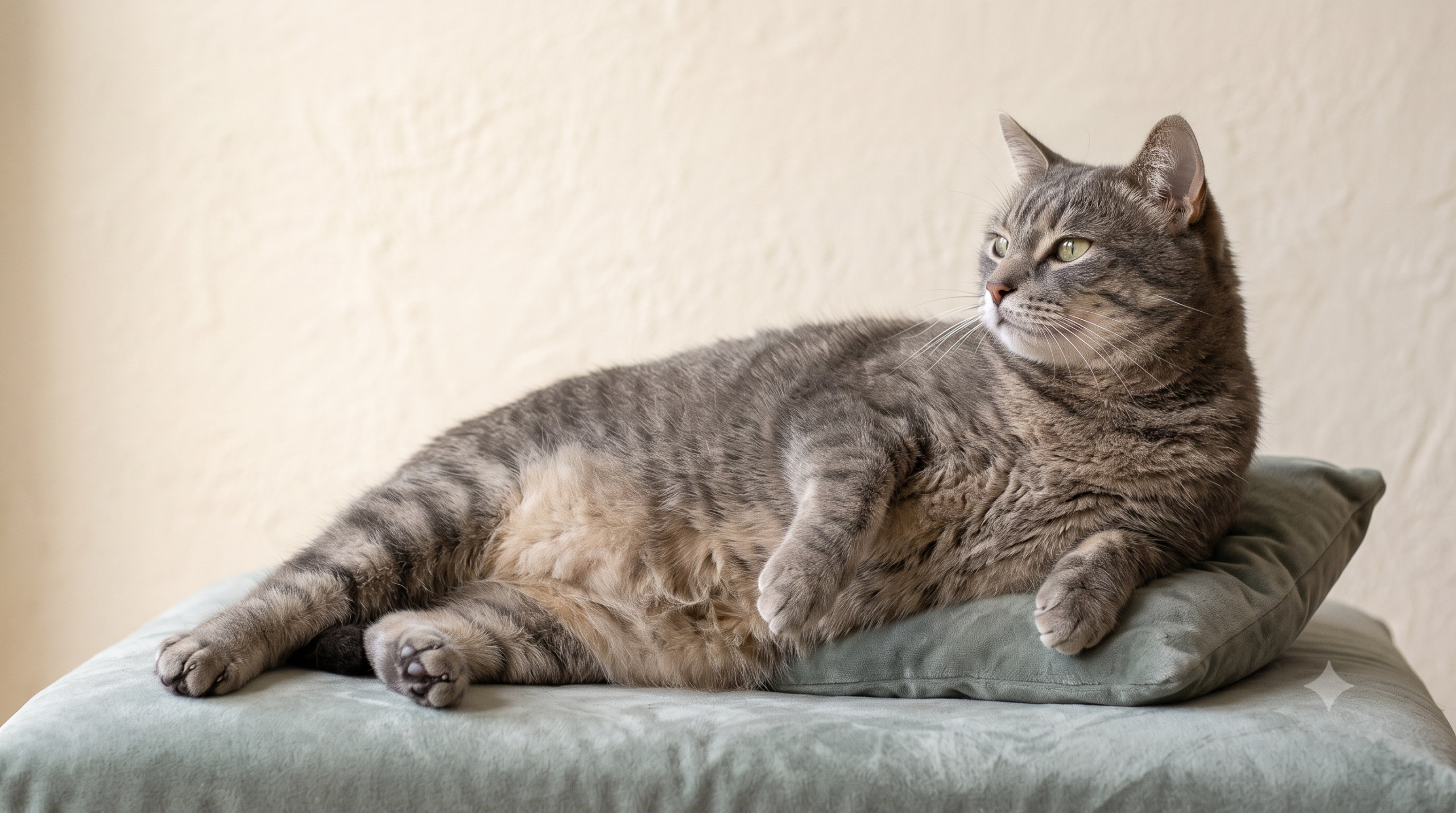
By Saloni Nagar, Medically Reviewed by Dr. Jimisha Shah, B.V.Sc & A.H., PGDAW Yes, obese cats can lose muscle mass even while remaining overweight, and this is not a contradiction. Excess body fat disrupts how a cat’s body uses protein and nutrient signals. As a result, muscle tissue can break down even when food intake appears normal. … Read more


Low Iodine Cat Food: What to Feed and When to Call the Vet

By Saloni Nagar, Medically Reviewed by Dr. Jimisha Shah, B.V.Sc & A.H., PGDAW When something feels wrong with your cat, you want to know what to do next. Maybe she is losing weight even though she eats well. Maybe she seems restless at night, or her coat looks different than usual. These changes can feel worrying, especially … Read more

Prevent Thyroid Problems in Cats With Diet: What the Research Shows

By Saloni Nagar, Medically Reviewed by Dr. Jimisha Shah, B.V.Sc & A.H., PGDAW Most cat owners spend time comparing protein quality, ingredient sourcing, and brand reputation when choosing cat food. Very few think about iodine. It is not a nutrient that appears in pet food marketing, and it rarely comes up during routine veterinary visits until a … Read more

How Does Iodine Affect a Cat’s Thyroid? The Science Explained

By Saloni Nagar, Medically Reviewed by Dr. Jimisha Shah, B.V.Sc & A.H., PGDAW Iodine and cat thyroid health is a topic that sounds simple at first. Cats need iodine, but too little or too much can create problems. The deeper you look into why iodine affects cat thyroid, the more specific and fascinating the biology becomes. If … Read more

Signs of Thyroid Problems in Cats: What to Observe and When to Act

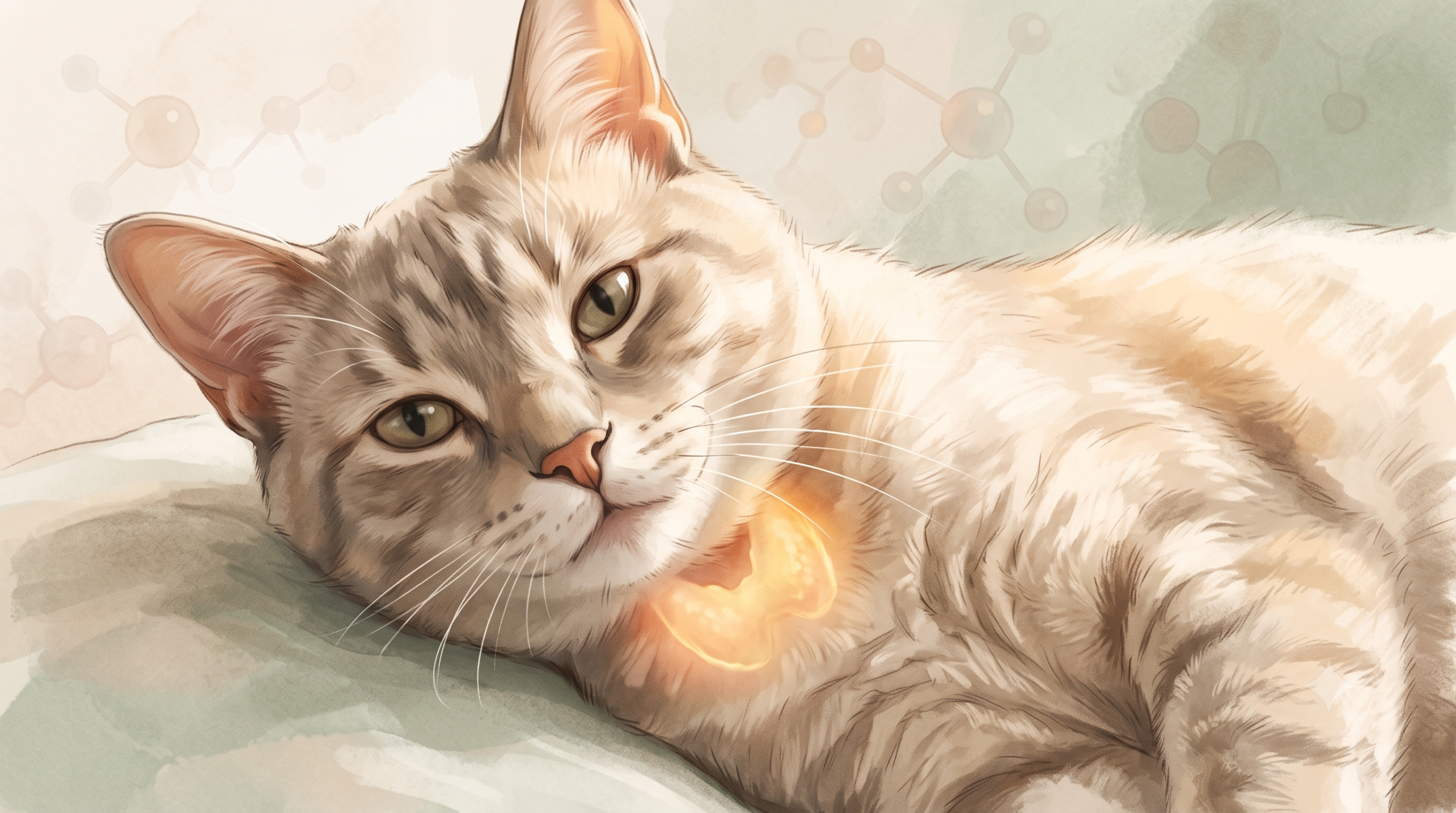
thyroid in cats

By Saloni Nagar, Medically Reviewed by Dr. Jimisha Shah, B.V.Sc & A.H., PGDAW Yes, your cat’s food can directly affect her thyroid function. Weight loss despite a healthy appetite, sudden restlessness, or unusual physical changes are often the earliest cat thyroid symptoms that indicate that something may be wrong. These signs do not always mean disease has … Read more

Calcium Phosphorus Ratio in Cat Food: What Most Labels Get Wrong

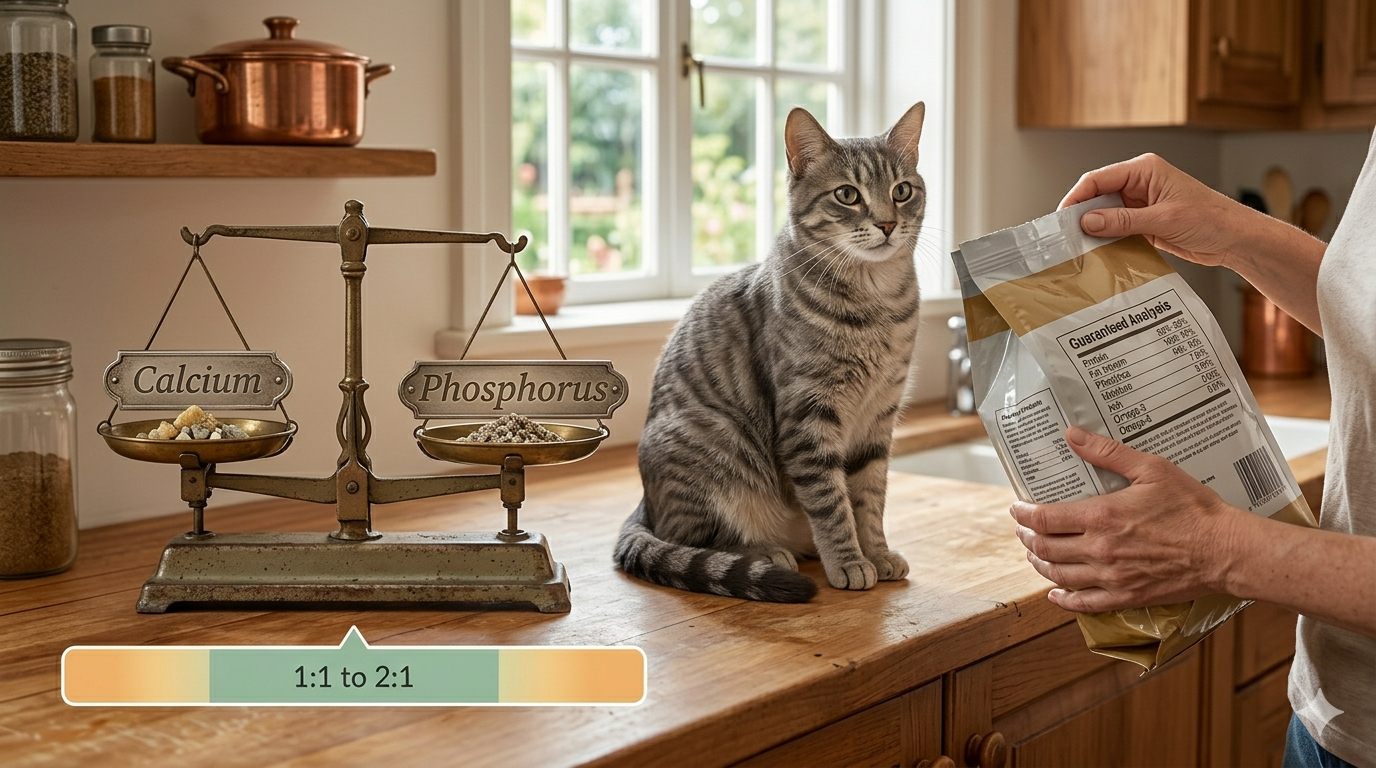
Calcium-Phosphorus Balance in Cat Food

By Saloni Nagar, Medically Reviewed by Dr. Jimisha Shah, B.V.Sc & A.H., PGDAW The calcium phosphorus ratio for cats is not something most owners think about until a veterinarian brings it up. By that time, an unbalanced diet may have been in place for months or even years. The ratio is most often disrupted by meat-only or … Read more

Signs of Calcium Phosphorus Imbalance In Cats Most Owners Miss

signs of ca and p imbalance

By Saloni Nagar, Medically Reviewed by Dr. Jimisha Shah, B.V.Sc & A.H., PGDAW The most common signs when a cat’s calcium-to-phosphorus ratio is off include limping, weak back legs, reluctance to jump, unusually soft or fractured teeth and claws, muscle wasting along the spine and hindquarters, and behavioral changes such as chewing on concrete, walls, or litter. … Read more

What Does Calcium Phosphorus Imbalance In Cats Do Inside?

calcium phosphorus imbalance in cats

By Saloni Nagar, Medically Reviewed by Dr. Jimisha Shah, B.V.Sc & A.H., PGDAW When the calcium-phosphorus imbalance in cats develops, it most often happens because phosphorus is too high compared to calcium. The body does not simply absorb less of one mineral and move on. Instead, it triggers a hormonal emergency response to keep blood calcium levels … Read more

What Is the Calcium Phosphorus Ratio for Cats and Why Does It Matter?

By Saloni Nagar, Medically Reviewed by Dr. Jimisha Shah, B.V.Sc & A.H., PGDAW Searching for the calcium phosphorus ratio in cats often starts with a simple question: What is the Ca:P ratio in cat food, and what do those two mineral numbers on a food label actually mean together? The calcium-to-phosphorus ratio, often written as Ca:P, describes … Read more

Lysine for Cats: Which Cats Are Most At Risk and What the Science Says

By Saloni Nagar, Medically Reviewed by Dr. Jimisha Shah, B.V.Sc & A.H., PGDAW Not every cat faces the same lysine risk. Two cats can eat the same food and live in the same home, yet have very different vulnerabilities. The difference often comes down to age, breed, life history, and factors many owners have never heard of. … Read more